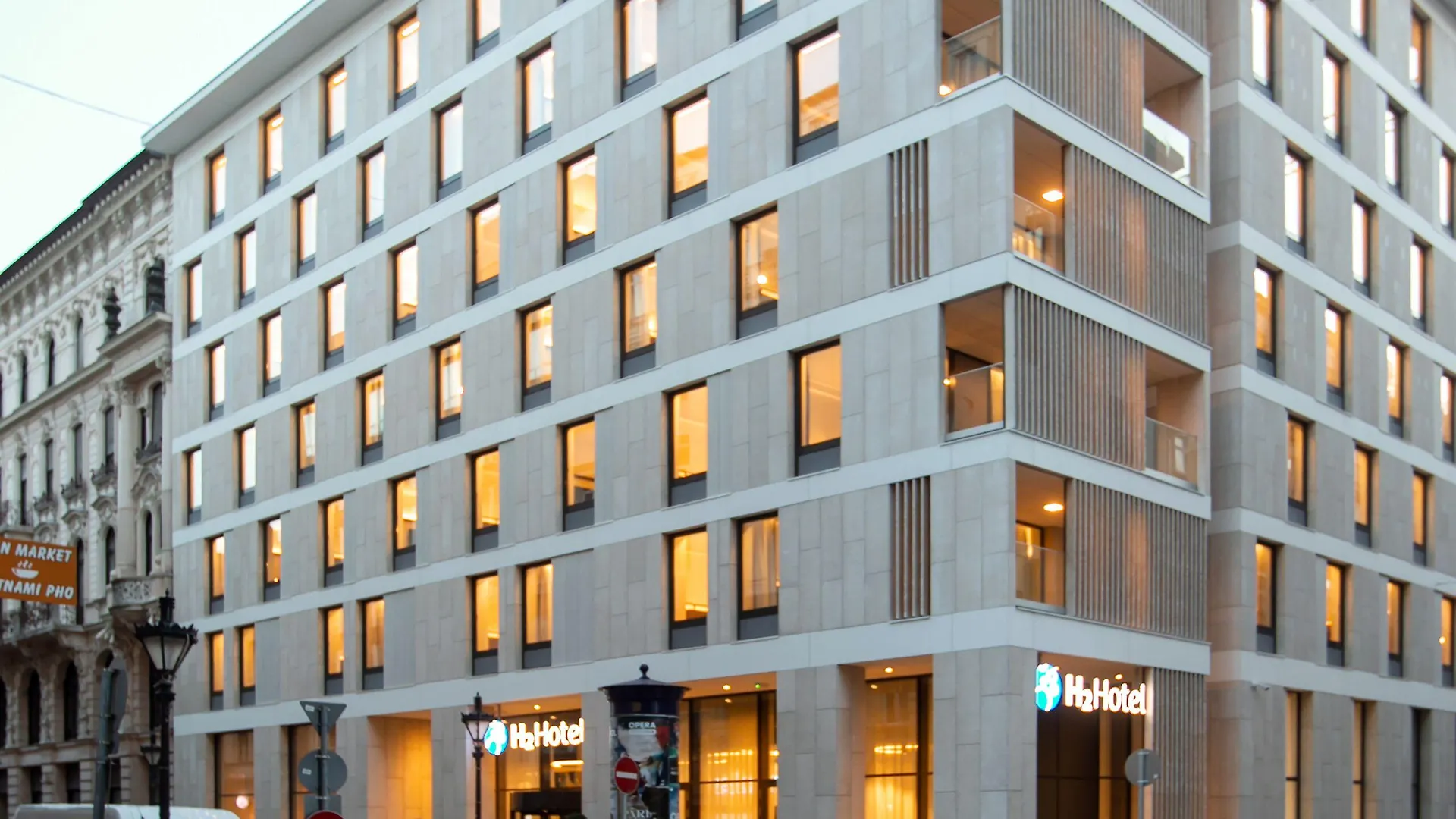
Budapest City Centre concentrates more top-tier landmarks, dining streets, and transport connections per square kilometre than any other district in the city. Staying here means the Hungarian Parliament Building, Chain Bridge, St. Stephen's Basilica, Váci utca, and the Dohány Street Synagogue - Europe's largest - are all reachable on foot. These 10 central hotels sit across the 5th and adjacent inner districts, covering a range of budgets and stay styles from boutique art spaces to full-service riverside properties.
What It's Like Staying In Budapest City Centre
The inner districts of Pest - particularly the 5th - function as a compact, walkable core where most major sights sit within a 20-minute walk of each other. Tram line 2 runs directly along the Danube embankment, connecting you to Buda Castle and the southern market hall without needing the metro. Foot traffic peaks on Váci utca and around Vörösmarty Square from late morning to evening, especially June through August, when the area draws the heaviest international crowds. The atmosphere is upscale and orderly - closer to a Parisian boulevard than a party district - though streets near the ruin bar zone in the 7th can be loud after midnight if your hotel sits on the border.
Travellers who gain most from staying here are those prioritising sightseeing density and time efficiency. Those who want local residential Budapest - quieter streets, neighbourhood bakeries, less tourist signage - will find more of that further out in the 8th or 13th districts.
Pros:
- * Walking access to around 90% of the city's top-rated landmarks without needing public transport
- * Excellent metro and tram coverage - Deák Ferenc tér hub connects M1, M2, and M3 lines in one interchange
- * Dense restaurant and café concentration, including Hungarian fine dining and historic coffee houses like Centrál Kávéház
Cons:
- * Summer crowds on Váci utca and Vörösmarty Square make simple navigation noticeably slower
- * Accommodation costs run higher than the outer districts, and parking is limited and expensive
- * Hotels near the 5th/7th district border can face nightlife noise, particularly on weekends
Why Choose Central Hotels In Budapest City Centre
Central hotels in this area offer a clear logistical advantage: no transfer time is wasted getting to the main sights, which matters significantly on shorter stays of 2 or 3 nights. Properties here range from compact 3-star business hotels near the Astoria metro to full-service 4-star options with Danube-facing rooms and on-site wellness - a range not easily replicated at this density anywhere else in the city. Room sizes in the inner city tend to be more compact than equivalent-priced hotels further out, but central positioning generally compensates by eliminating taxi or transit costs that add up over a multi-day stay. Trade-offs are real: street-facing rooms in the busiest pedestrian zones require soundproofing to sleep well, and properties on or near Váci utca can price at a premium of around 25% above comparable hotels just 10 minutes further east.
Main advantages of central hotels here:
- * Immediate on-foot access to Váci utca, the Danube promenade, and the Parliament quarter
- * Strong hotel variety across price points, from 3-star to boutique 4-star and aparthotels with kitchens
- * Airport shuttle availability across most properties reduces arrival logistics in an unfamiliar city
Main trade-offs in this specific zone:
- * Higher nightly rates compared to the 8th or 9th district for similar room quality
- * Limited on-site parking - most hotels charge extra, and garage availability is not guaranteed
- * Peak summer demand means properties fill quickly; last-minute availability is scarce July-August
Practical Booking & Area Strategy
The strongest micro-location for central hotels is along or just off the Danube embankment - streets like Széchenyi rakpart and Apáczai Csere János utca put you within direct walking range of the Chain Bridge and Parliament, with tram line 2 stops at the door. Hotels one or two blocks inland on streets like Október 6. utca or Harmincad utca trade river views for significantly quieter nights without sacrificing walkability. For metro access, properties near Ferenciek tere (M3) or Deák Ferenc tér (M1/M2/M3 interchange) cover the entire city in under 15 minutes. Book central properties at least 6 weeks before any August visit - the Sziget Festival and St. Stephen's Day on August 20th compress availability city-wide and push nightly rates sharply upward. For things to do, the area rewards slow exploration: the Great Market Hall on Fővám tér, the Shoes on the Danube memorial, Andrássy Avenue, and the Hungarian National Museum are all accessible within a single walkable morning. Night-time safety in the 5th district is consistently high, with well-lit embankment streets and active café terraces until late evening throughout spring and summer.
Best Value Stays
These properties deliver strong central positioning and practical amenities at the more accessible end of the Budapest City Centre pricing spectrum - each within reach of the main sights on foot.
-
1. H2 Hotel Budapest
Show on map


-
2. Danubius Hotel Erzsebet City Center
Show on map


-
3. Bohem Art Hotel
Show on map


-
4. Exe Budapest Center
Show on map


-
5. Swu Broadway
Show on map


Best Premium Stays
These hotels offer more complete facilities, stronger design credentials, or standout positioning along the Danube and Parliament quarter - suited to travellers who want the full Budapest City Centre experience without logistical compromise.
-
6. Novotel Budapest Danube
Show on map


-
7. Ikonik Parlament
Show on map


-
8. 12 Revay Hotel
Show on map


-
9. Hotel Vision Budapest By Continental Group
Show on map


-
10. Aria Hotel Budapest By Library Hotel Collection
Show on map


Smart Travel & Timing Advice for Budapest City Centre
April, May, September, and October are the strongest months for central Budapest hotels - temperatures are comfortable for walking, crowds are noticeably thinner than peak summer, and nightly rates average meaningfully lower than July and August. The single most congested period is mid-August, when the Sziget Festival, Budapest Pride events, and St. Stephen's Day on August 20th overlap and compress hotel availability across the entire city centre. If you're targeting that window, book at least 8 weeks in advance - last-minute options at this point are either poor value or fully unavailable. January and February offer the lowest rates and smallest crowds but come with cold temperatures that limit outdoor sightseeing comfort, making them a better fit for shorter city breaks focused on museums, thermal baths, and indoor dining. A 3-night stay is the practical minimum to cover the key walkable sights in the 5th district without rushing - the Parliament quarter, Chain Bridge, Basilica, Váci utca, and the Jewish quarter each deserve at least a few hours. For the calmest nightly atmosphere, prioritise hotels on streets set back from the main embankment promenades, where foot traffic drops sharply after 22:00 even in peak season.