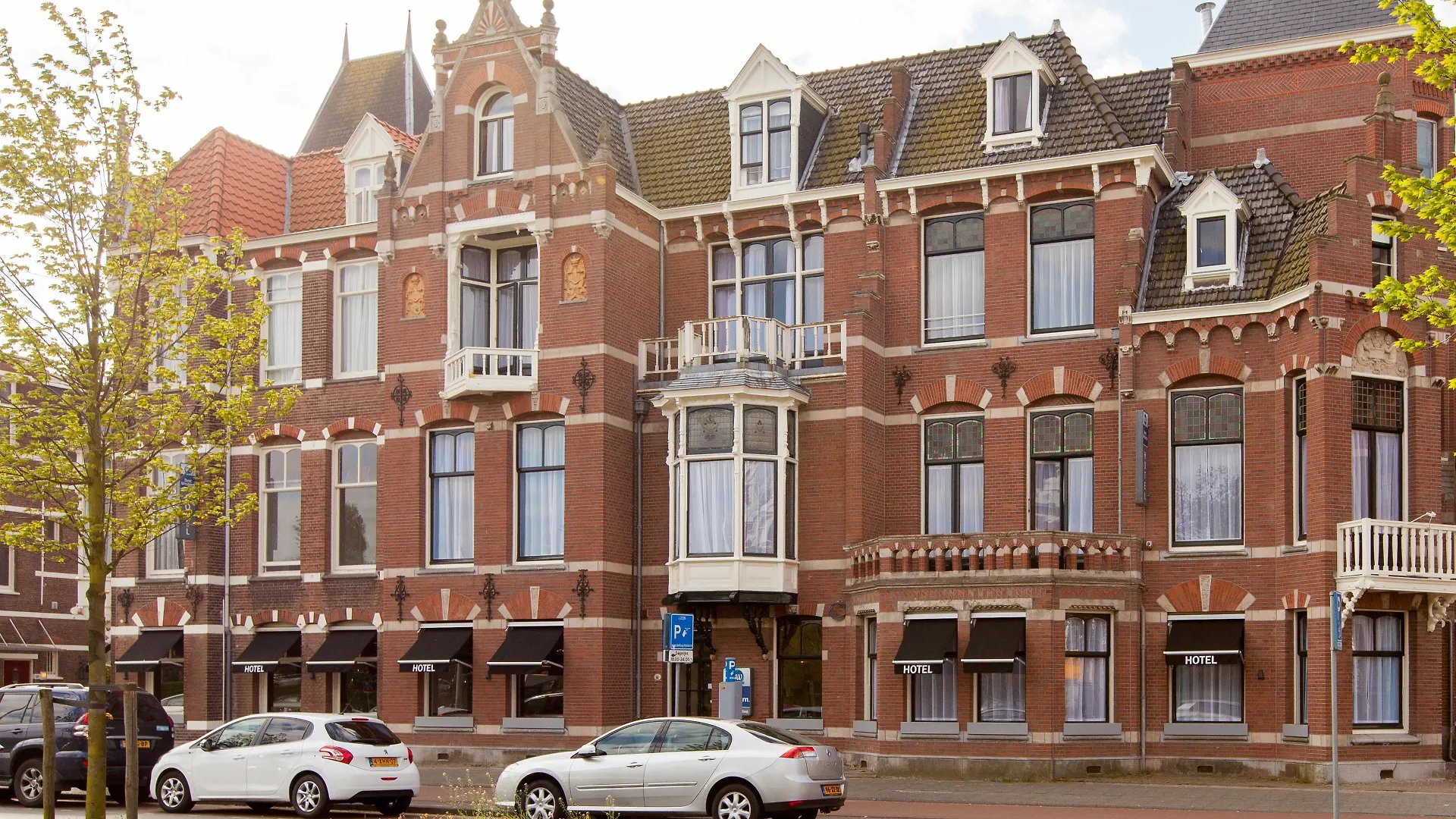
The Hague City Centre is the administrative and cultural core of the Netherlands' third-largest city - home to the Dutch Parliament at the Binnenhof, the Mauritshuis museum, and the Royal Noordeinde Palace, all within a compact, walkable grid. Staying centrally means trading some quiet for proximity: you step out into political district energy, tram lines running along Spui and Buitenhof, and a dense concentration of restaurants, galleries, and government buildings. These two central hotels sit at different ends of the location spectrum - one embedded in the historic heart, the other in the quieter embassy quarter - giving you a genuine choice depending on how you want to experience the city.
What It's Like Staying in The Hague City Centre
The Hague City Centre is compact enough that most of its headline attractions - the Binnenhof, Mauritshuis, Grote Markt, and De Passage shopping arcade - sit within a 15-minute walk of one another. Tram lines 1, 16, and 17 cross the centre regularly, connecting you to Den Haag Centraal station in under 10 minutes and to Scheveningen beach in around 15 minutes. Foot traffic peaks during weekday lunch hours and on weekend afternoons when the Grote Marktstraat shopping corridor fills, but the side streets around Denneweg and the Hofkwartier remain noticeably calmer even in summer.
Business travellers and first-time visitors benefit most from a central base - the concentration of transport links, embassies, and museums means almost no day requires a taxi. Travellers prioritising quieter evenings or beachfront access may find the Scheveningen or embassy-quarter outskirts better suited to their rhythm.
Pros:
* Binnenhof, Mauritshuis, and Noordeinde Palace are reachable on foot from most central addresses
* Tram network gives direct, frequent access to both main train stations and Scheveningen
* Dense restaurant and café scene on Denneweg and Spui within a 5-minute walk
Cons:
* Weekday government district traffic and weekend shopping crowds concentrate on main arteries
* Parking in the centre is limited and expensive - not practical if you arrive by car
* Some streets close to Grote Marktstraat see late-night noise on Fridays and Saturdays
Why Choose a Central Hotel in The Hague City Centre
Central hotels in The Hague City Centre occupy a practical middle ground: they are not budget hostels, but they rarely match the rates or room sizes of the luxury properties on Lange Voorhout. You typically pay for location density - the ability to walk to the Mauritshuis, catch a tram on Buitenhof, and return on foot after dinner without planning a route. Room sizes in centrally-located 3-star properties in this district tend to be modest, with standard doubles running compact by Northern European standards, though soundproofing quality varies considerably between buildings. The main trade-off is space versus convenience: properties with a genuine city-centre address will almost always prioritise location over square footage, and some rooms - especially entry-level categories - forgo windows entirely in favour of lower price points.
Compared to hotels in the Scheveningen beach strip or the Bezuidenhout business zone, central properties cut commuting time to zero for anyone focused on The Hague's political and cultural quarter, but they absorb more ambient city noise and offer less green space nearby.
Pros:
* Walking access to political, cultural, and shopping districts without needing transport
* Tram stops on Buitenhof and Spui serve both train stations and the coast
* Price point sits below luxury Lange Voorhout properties while retaining a walkable central address
Cons:
* Standard room sizes are compact - entry-level rooms in some properties have no natural light
* Street-facing rooms on main arteries face noise from trams and evening crowds
* On-site parking is rare; nearby garages on Korte Voorhout charge around €27 per 24 hours
Practical Booking & Area Strategy
For the tightest possible walking access to the Binnenhof and Mauritshuis, look for properties on or just off Spui, Buitenhof, or Tournooiveld - these streets place you within 5 minutes of the parliamentary quarter and the Museum Quarter. If you are staying more than 3 nights and plan day trips to Rotterdam or Amsterdam, proximity to Den Haag Centraal on Koningin Julianaplein matters more than being central; the tram from the city centre gets you there in around 8 minutes. The embassy quarter around Johan de Wittlaan and Groot Hertoginnelaan offers a quieter residential alternative to the full centre - still tram-connected but with less street noise and a more neighbourhood feel. The Hague's cultural calendar peaks between April and September, driven by the King's Day celebrations, the Tong Tong Festival, and the summer beach season at Scheveningen; booking at least 6 weeks ahead during these windows avoids the worst availability squeeze. January through early March sees the lowest occupancy and the most negotiable rates in central properties, with the city's political institutions still fully operational for business travellers. The Peace Palace, Madurodam, and Paleis Huis Ten Bosch are all reachable via tram from the city centre without needing a car.
Recommended Central Hotels in The Hague City Centre
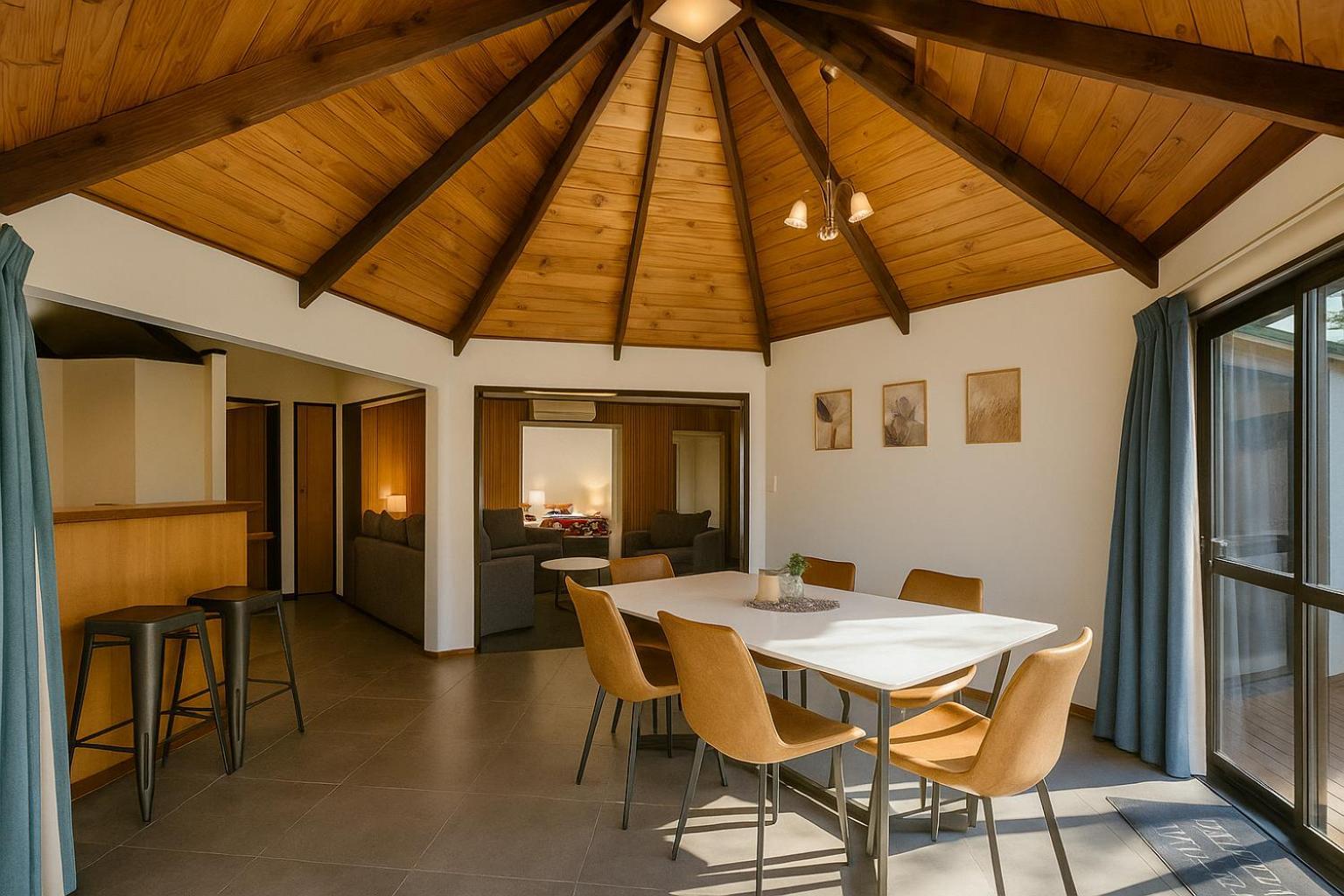
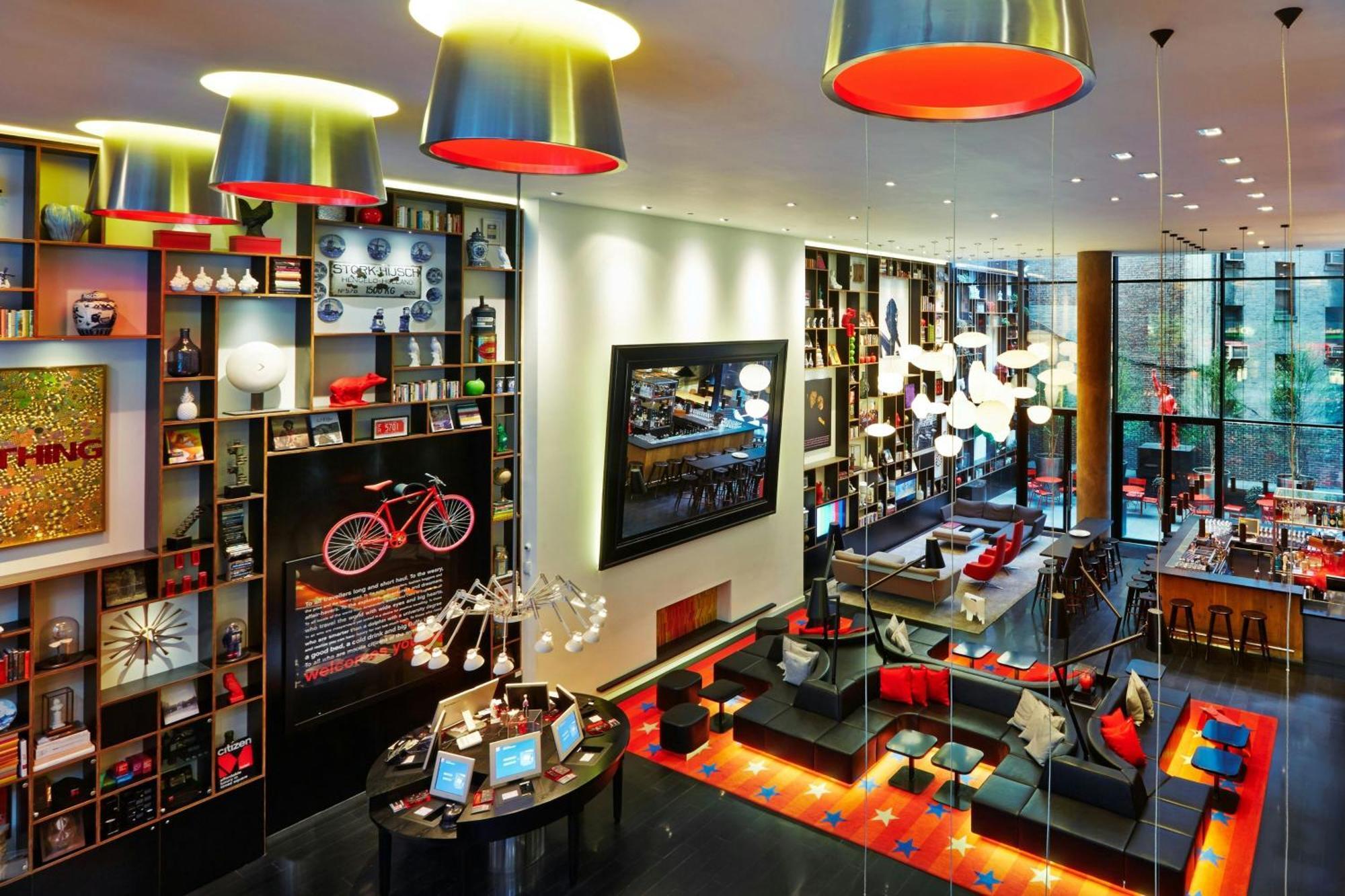
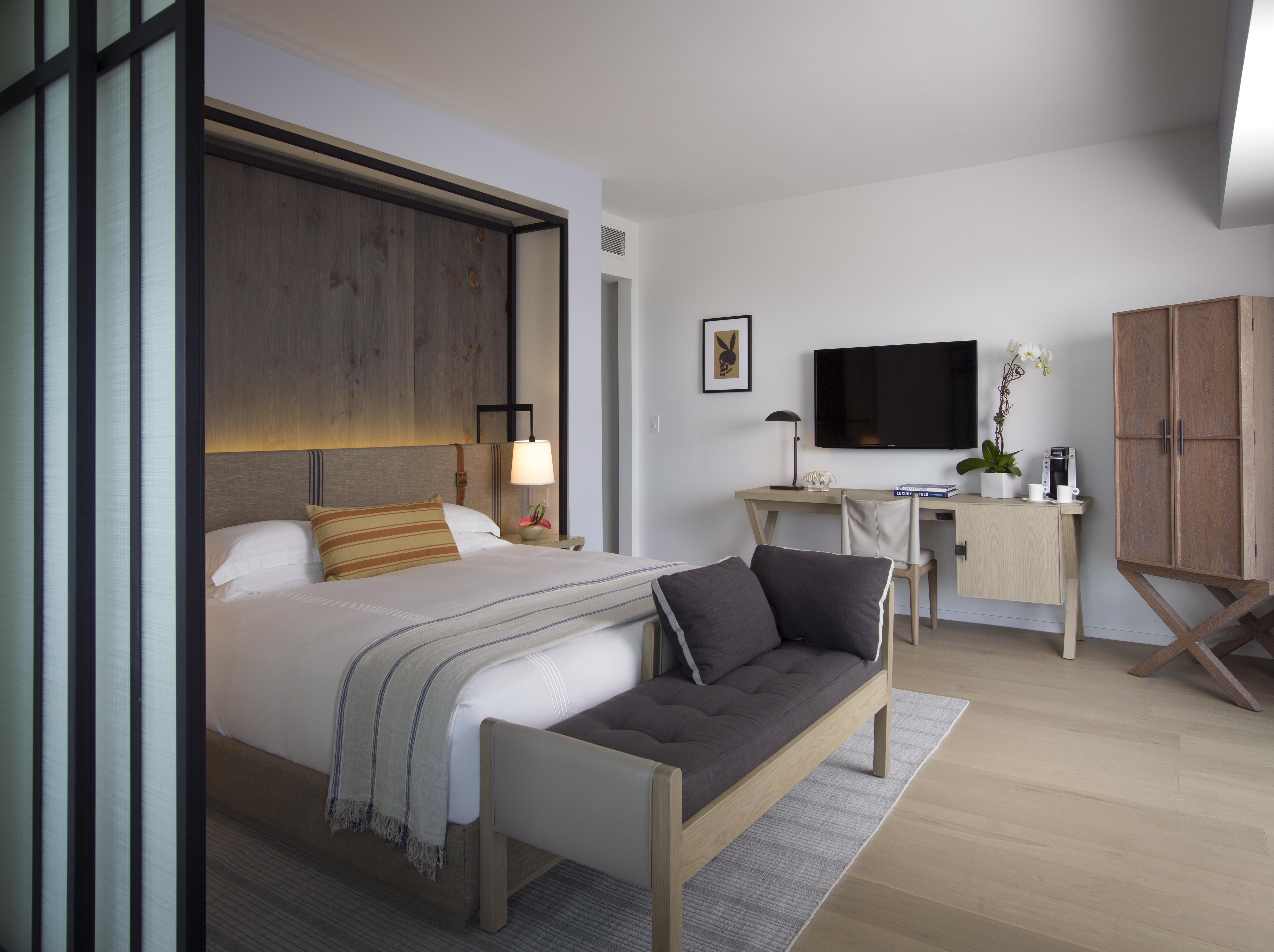
The two hotels below represent the clearest options for a central base in The Hague: one positioned in the immediate historic core, the other in the quieter embassy quarter with tram access into the centre. Both are 3-star properties with broadly similar price positioning, so the key differentiator is location character and room configuration rather than nightly rate.
-
1. Hotel Hague Center
Show on map


-
2. Best Western Hotel Den Haag
Show on map


Smart Travel & Timing Advice for The Hague City Centre
The Hague City Centre runs year-round without a true off-season - the Binnenhof and international institutions generate consistent weekday demand regardless of the calendar. That said, April through August sees the sharpest rate increases, driven by King's Day in late April, the Tong Tong Fair in late May, and the summer influx to nearby Scheveningen; availability in centrally-located properties shrinks fast in these windows, and booking 6 weeks ahead is the realistic minimum. September and October offer a practical sweet spot: summer pricing begins to ease, the weather holds, and the Mauritshuis and Gemeentemuseum see lighter queues. January and February are the quietest months by far - rates in central 3-star properties drop noticeably and the parliamentary district has a calm, workday rhythm that suits business visitors or travellers who prefer the city without the crowds. A 2-night stay covers the Binnenhof, Mauritshuis, Noordeinde Palace, De Passage, and Denneweg shopping comfortably on foot; 3 nights allows a half-day at Madurodam, a tram trip to Scheveningen, and a day trip to Delft or Rotterdam by train without feeling rushed.