Vračar is one of Belgrade's most livable and well-connected districts, home to the Temple of Saint Sava and the National Assembly - two of the city's most visited landmarks. Travelers who book central hotels here get walkable access to core Belgrade without being placed in the middle of Stari Grad's tourist congestion. This guide compares the two central hotels currently available in Vračar so you can make a direct, informed booking decision.
What It's Like Staying in Vračar
Vračar sits on a plateau directly south of Slavija Square, making it one of the few Belgrade districts where you can walk to a major landmark - the Temple of Saint Sava - in under 10 minutes from most streets. The area runs on a residential rhythm: cafés fill up in the morning, foot traffic peaks around Dimitrija Tucovića and Kralja Milana streets, and the neighborhood quiets down significantly past 10 PM compared to Stari Grad. Public transport is free across all Belgrade lines since January 2025, and trolleybus lines running through Vračar connect you to Republic Square in around 10 minutes. Travelers who want proximity to Belgrade's cultural core without paying a premium for Stari Grad's central square positioning benefit most from staying here - those prioritizing nightlife density or the Danube riverside scene may find it less convenient.
Pros:
- * Walking distance to the Temple of Saint Sava and the National Assembly of Serbia
- * Free public transport connects Vračar to Republic Square and Stari Grad in around 10 minutes
- * Quieter at night than Stari Grad, with a genuine local neighborhood atmosphere on residential side streets
Cons:
- * Further from the Sava and Danube riverfronts, which require a bus or tram connection
- * Belgrade Train Station is around 3.5 km away - a taxi or bus is needed with luggage
- * Fewer late-night dining options compared to Skadarlija or the Old Town core
Why Choose a Central Hotel in Vračar
Central hotels in Vračar position you within direct reach of Belgrade's most iconic civic and religious architecture, while typically offering lower nightly rates than equivalent properties in Stari Grad or Terazije. The Vračar plateau itself is compact, meaning hotels here are rarely more than 15 minutes on foot from Slavija Square - the main transport hub feeding the rest of the city. Room sizes in this category tend to be more generous than city-center equivalents, as buildings here are often converted residential properties rather than purpose-built tourist blocks. The main trade-off is that the immediate surrounding streets have fewer tourist-facing restaurants and attractions, which suits travelers who prefer local over packaged. Around 20% of Belgrade's accommodation options sit in Vračar, reflecting real demand from travelers who prioritize the district's balance of access and calm.
Pros:
- * Closer to the Temple of Saint Sava and the National Assembly than hotels in Novi Beograd or Zemun
- * Typically more space per room than centrally-priced Stari Grad properties at the same rate
- * Quieter surroundings allow better sleep quality without sacrificing city access
Cons:
- * Limited walkable options for late-night dining or nightlife directly in Vračar
- * Some streets away from the main arteries can feel quiet and underserved for first-time visitors
- * Belgrade's main shopping area on Knez Mihajlova Street requires a tram or bus ride
Practical Booking & Area Strategy for Vračar
The strongest positioning in Vračar for central access runs along Kralja Milana Street and the streets directly off Slavija Square - this corridor connects you to tram line 2, which circles the inner city and passes Kalemegdan Fortress and the Parliament building. Hotels within 500 meters of Slavija Square give you the best transport leverage in the district without being directly on the square itself, which carries significant bus noise. The National Assembly of Serbia sits on the northern edge of Vračar, just 300 meters from some properties in this guide, making the district especially practical for visitors with official visits or cultural itineraries that include Tašmajdan Park and St. Mark's Church. In terms of timing, July and August are peak months in Belgrade, when hotel rates spike and availability tightens - booking at least 6 weeks ahead is advisable for summer travel. The shoulder months of May, June, and September offer better pricing with still-pleasant weather, averaging around 22°C. Things to do within Vračar itself include visiting the Temple of Saint Sava (entrance free), exploring the Cvetni Trg market, walking Vojvode Milenka Street's café strip, and attending events at the Vračar Cultural Center. The area is safe and well-lit at night across its main arteries.
Recommended Central Hotels in Vračar
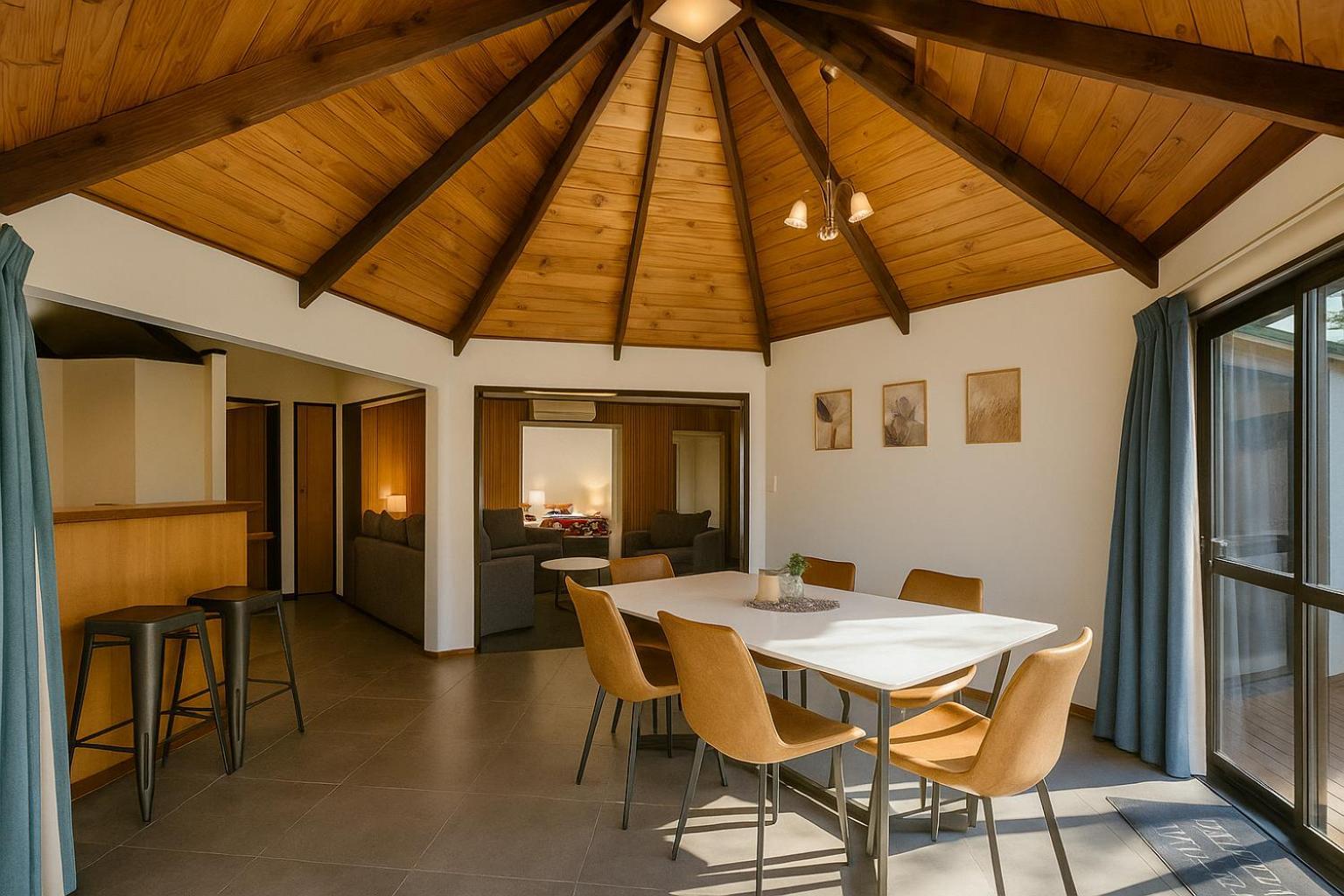
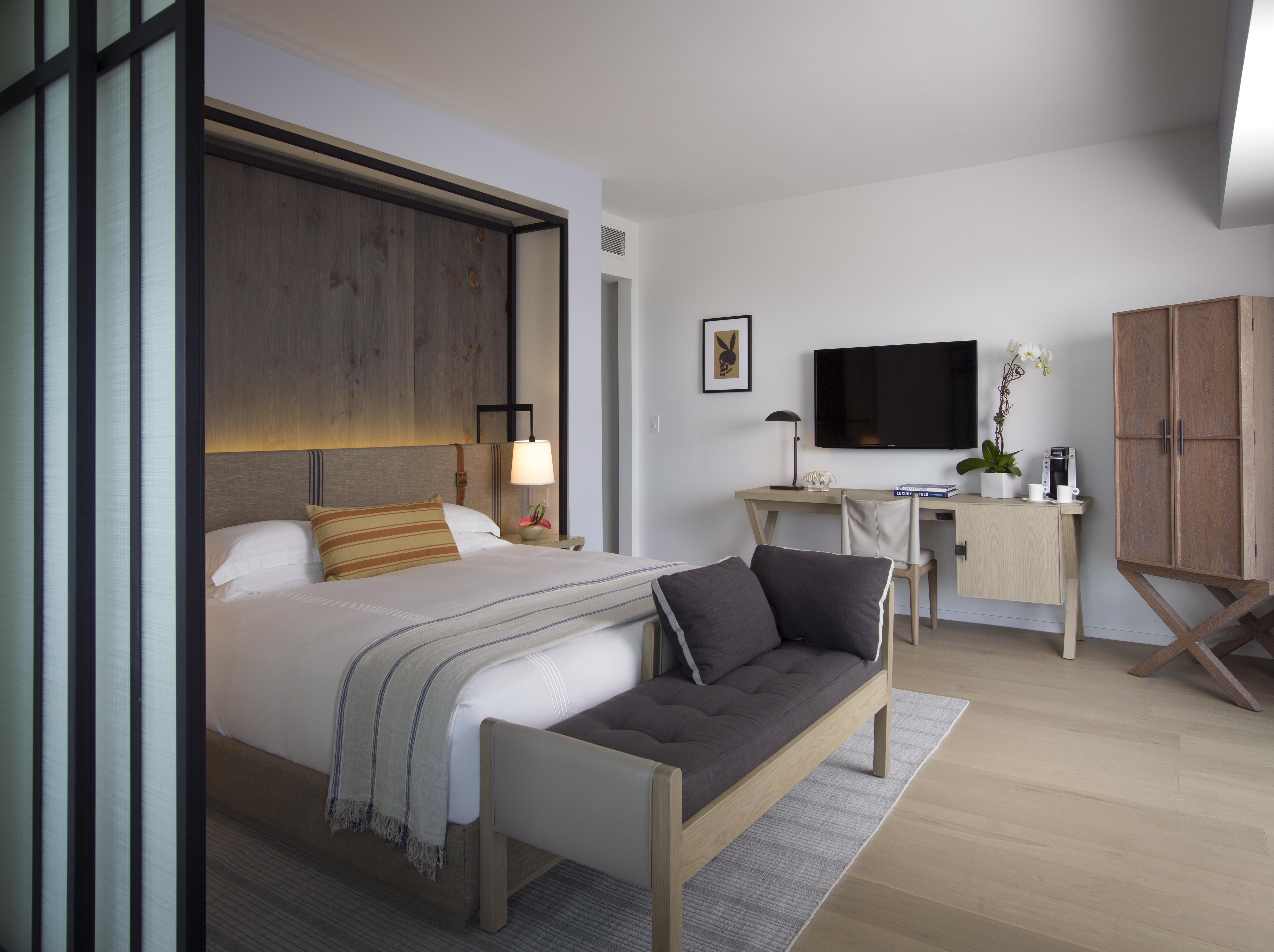
Both hotels below offer central positioning in Vračar with distinct setups - one closer to the political heart of the district, the other oriented toward a quieter, garden-facing stay with family-accessible facilities.
-
1. Kings Palace Suites
Show on map


-
2. Konak Stella
Show on map


Smart Travel & Timing Advice for Vračar
The best months to book a central hotel in Vračar are May, September, and early October - temperatures stay around 20°C, crowds at the Temple of Saint Sava are manageable, and hotel rates are noticeably lower than peak summer. July and August bring the highest visitor numbers to Belgrade, with prices at Vračar hotels rising by around 35% compared to the spring shoulder. January sees the lowest demand and the cheapest rates, but the district's outdoor café culture - one of its main draws - largely shuts down in winter. For most visitors, 3 nights is enough to cover Vračar's landmarks and use the district as a base for day trips to Kalemegdan, Skadarlija, and Ada Ciganlija. Book at least 6 weeks in advance for July or August stays - the two hotels in this guide are small properties where availability closes quickly in peak season. Last-minute bookings in November through March carry low risk and can yield significant savings, particularly for longer stays with private parking needs.