Stockholm City Centre packs Gamla Stan's cobblestones, the waterfront of Riddarfjärden, and the metro hub of T-Centralen into a compact, highly walkable core. These two resort hotels deliver more than a bed in the city - one sits on a forested island 100 metres from a beach, the other anchors itself on Kungsholmen with a metro stop at the front door.
What It's Like Staying In Stockholm City Centre
Stockholm's city centre is built across islands, which means the geography itself shapes the experience - distances that look short on a map can involve bridges, metro hops, or ferry crossings. Most major attractions sit within a 20-minute walk of the Kungsholmen-Norrmalm axis: Stockholm City Hall, Gamla Stan, the Royal Palace, and the Vasa Museum are all reachable without a single metro ride. The transport grid is dense enough that Tunnelbana lines cover the gaps, with T-Centralen acting as the interchange point for the entire city.
Crowd pressure is real in summer, particularly in Gamla Stan and along Strandvägen, where tourist foot traffic peaks in July and August. Those based in quieter sub-districts like Kungsholmen or on Långholmen Island get the central convenience without absorbing the full noise and congestion of Norrmalm's shopping corridors.
Pros:
- * Direct metro access to all key Stockholm districts from Kungsholmen and Norrmalm
- * Walking proximity to Stockholm City Hall, Gamla Stan, and the Vasa Museum
- * Mix of urban hotel options alongside rare island-based accommodation with beaches and parks
Cons:
- * Summer crowds in Gamla Stan and central shopping streets can make short walks feel longer
- * Hotel prices spike sharply in July and August, with fewer last-minute deals available
- * Parking is limited and expensive in central Stockholm; car-based arrivals need advance planning
Why Choose Resort Hotels In Stockholm City Centre
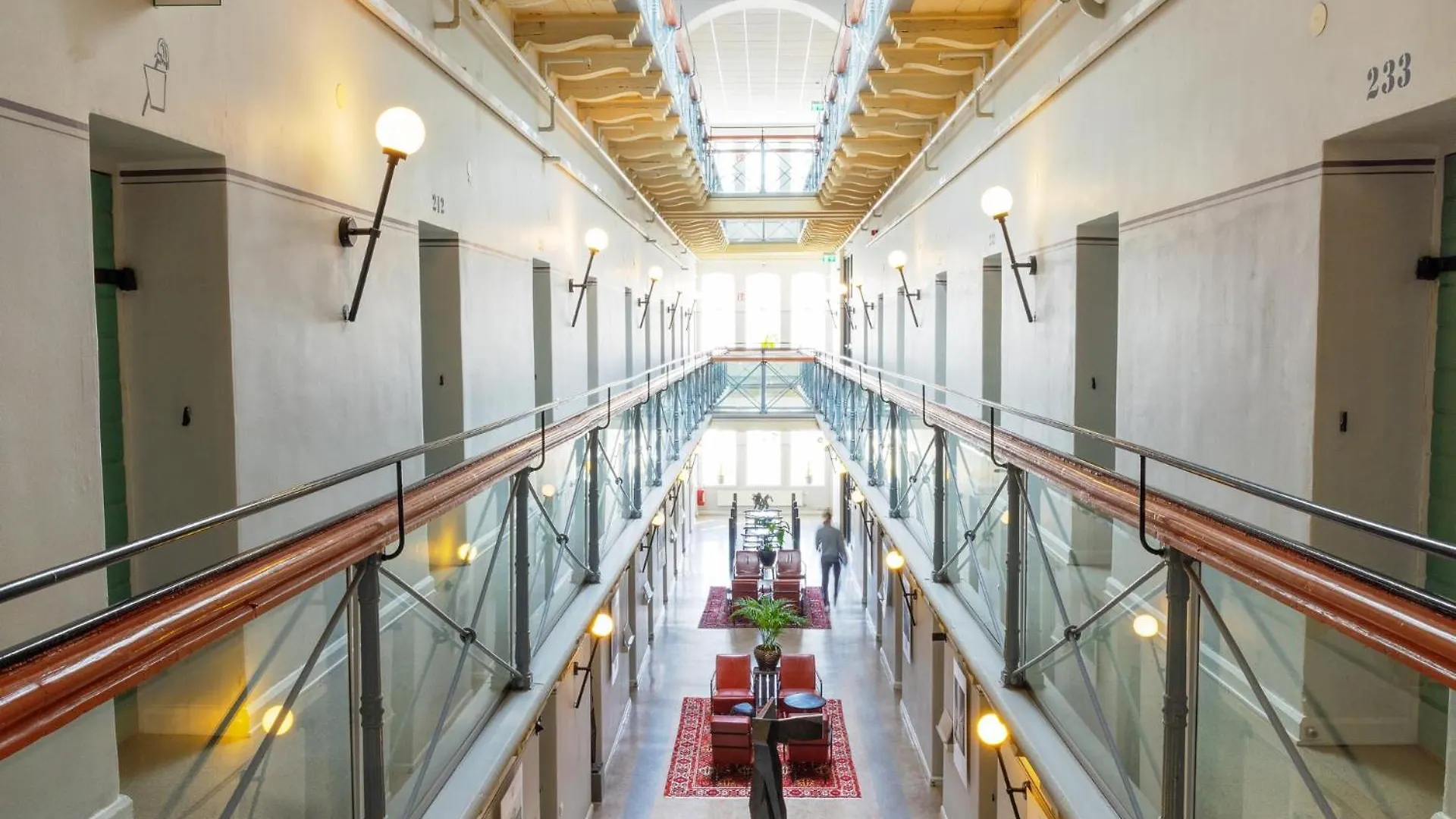
Resort-style hotels in Stockholm City Centre are a distinct category: properties that layer outdoor access, on-site leisure, and self-contained atmosphere onto a central location. Both hotels here sit outside the standard city-block format - one on its own island with a beach, park terrain, and jogging tracks; the other in a full-service Kungsholmen property with gym, sauna, and a bistro that functions as a social hub. This is fundamentally different from a standard business hotel where the room is the entire offer.
In price terms, resort-positioned hotels in central Stockholm command a premium over budget accommodation, but the gap narrows when you factor in on-site amenities that remove the need for paid external facilities. Free parking at Långholmen Hotell is a tangible saving in a city where central garage rates are among the highest in Scandinavia. Room sizes in converted or heritage properties like Långholmen tend to be compact - former prison cells were not built for comfort - but the outdoor space compensates in a way that a standard urban hotel cannot replicate.
Pros:
- * On-site leisure facilities (beach access, gym, sauna, parks) reduce daily spend on external activities
- * Resort-style properties in this area tend to have stronger breakfast offers and on-site dining than budget alternatives
- * Island and heritage settings create a sense of retreat within the city that standard hotels cannot match
Cons:
- * Rooms in heritage or converted buildings are often smaller and less standardised than modern hotels
- * The most characterful properties (Långholmen Island) require a short walk or bus ride to reach the metro
- * Higher nightly rates compared to functional business hotels without leisure amenities
Practical Booking & Area Strategy
For guests prioritising metro access, Kungsholmsgatan and Scheelegatan position you within metres of Rådhuset station (blue line direct to T-Centralen in under 5 minutes), Stockholm City Hall, and the waterfront walking path toward Gamla Stan. Clarion Hotel Amaranten sits on this axis, making it the stronger choice for travellers moving across multiple districts daily. Långholmen Island is reached via Hornstull metro station (around a 10-minute walk from the hotel), placing the blue-line network comfortably within reach without requiring a taxi.
The key attractions in the area - Stockholm City Hall, Rådhuset, Kungsholmen's restaurant strip, and Riddarfjärden waterfront - are all walkable from both properties. Gamla Stan is reachable on foot in around 20 minutes from Kungsholmen, or in one metro stop from T-Centralen. For summer travel, booking at least 8 weeks in advance is advisable, as both hotel categories here fill quickly during Midsummer (late June) and the peak July-August window. Shoulder months - May, early June, and September - offer meaningfully lower rates with the same walkability and lighter crowds.
Best Value Stay
A converted 19th-century prison on its own island, Långholmen Hotell delivers a setting that no standard Stockholm hotel can replicate - beach access, park jogging tracks, and on-site museum included in the same complex.
-
1. Langholmen Hotell
Show on map


Best Premium Stay
With 555 rooms, a metro stop at the door, and a full gym-sauna-bistro setup, Clarion Hotel Amaranten is the city-facing resort option on Kungsholmen - built for high-volume urban movement rather than island retreat.
-
2. Clarion Hotel Amaranten
Show on map


Smart Travel & Timing Advice
Stockholm City Centre operates on a sharp seasonal rhythm. July is the peak month - hotel rates climb steeply, Gamla Stan pedestrian streets become gridlocked with tourists, and both properties here will require advance booking. The Midsummer Festival in late June is a secondary spike; central accommodation sells out weeks in advance for that weekend. If flexibility exists, May and September offer the clearest trade-off: daytime temperatures are comfortable, daylight hours are long, and hotel rates run meaningfully lower than summer peak.
For a city-centre resort stay, around 3 nights is the practical minimum to justify the settling-in cost of island or heritage properties like Långholmen - the slower pace of the location rewards longer stays more than a transit stop would. Last-minute booking in July is a high-risk strategy for either hotel; for shoulder season from mid-September onward, last-minute rates can work in the traveller's favour as business travel demand drops. Winter stays (December through February) are viable for Christmas market visits and are the quietest period in both hotels, with rates at their annual low.