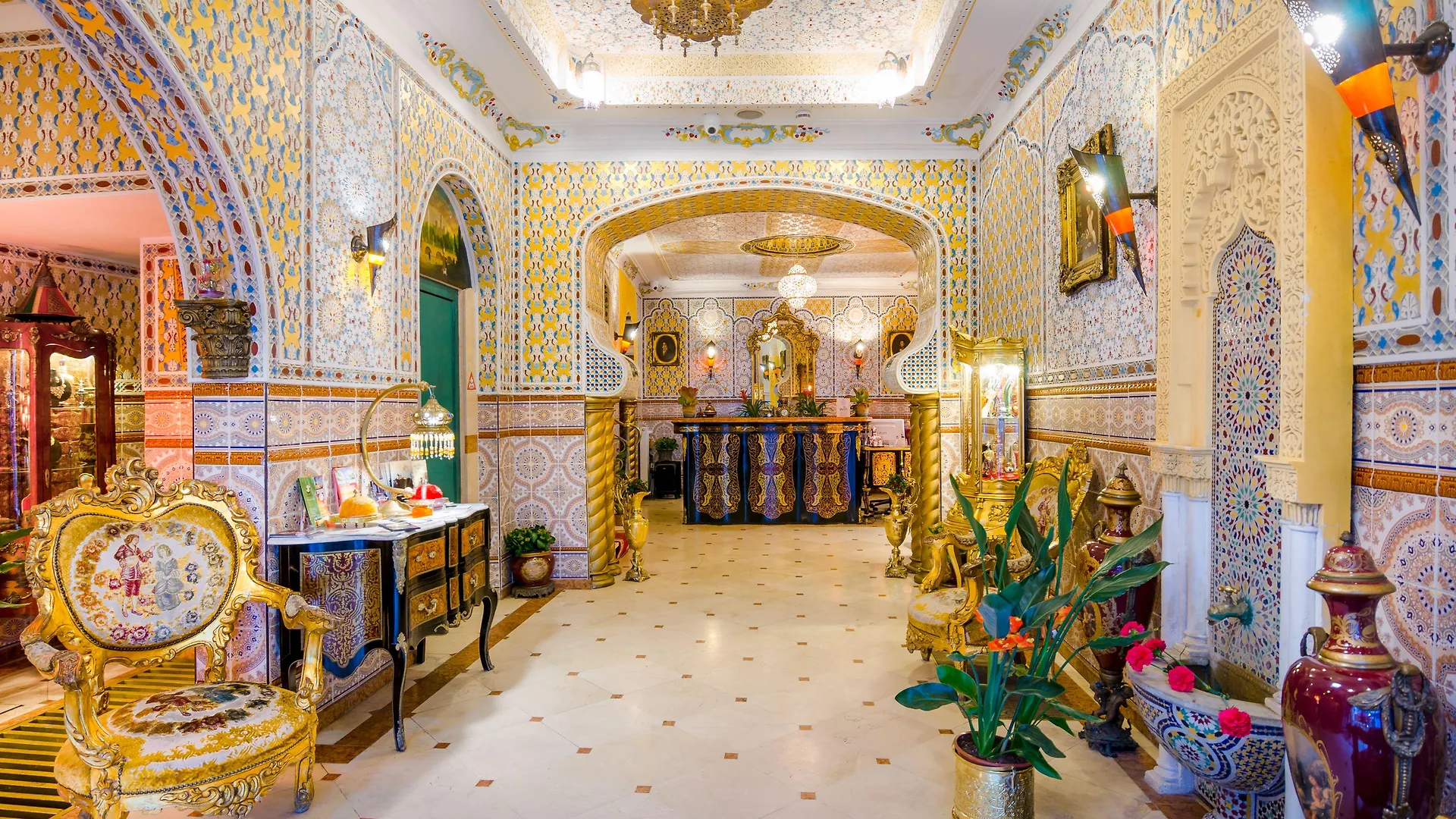
Brussels Centre is the most walk-and-explore-ready district in the Belgian capital, placing you within minutes of Grand Place, the Royal Gallery of Saint Hubert, Manneken Pis, Mont des Arts, and Brussels Central Station. This guide covers 4 central hotels across price tiers to help you decide which property matches your travel rhythm, budget, and expectations for noise, space, and access.
What It's Like Staying in Brussels Centre
Staying in Brussels Centre means you are within a 10-minute walk of virtually every major attraction in the city - Grand Place, the Magritte Museum, Place Sainte-Catherine, and Brussels Central Station are all reachable on foot without needing public transport. The trade-off is street-level noise: the pedestrian corridors around Grand Place and Rue du Marché aux Herbes draw dense tourist foot traffic from early morning to past midnight, and soundproofing quality varies sharply between hotels. The metro network - with De Brouckère and Bourse stops - covers longer-distance connections to Midi Station, the EU Quarter, and Brussels Airport in under 30 minutes.
Pros:
* Every major Brussels attraction is walkable - no daily transport costs for sightseeing
* De Brouckère metro (2-minute walk from several hotels) connects to all major Brussels districts
* Hotels in this district often include multilingual staff, a practical advantage for first-time visitors
Cons:
* Pedestrian streets around Grand Place stay crowded and audible until late - light sleepers need verified soundproof rooms
* Car access is restricted in most of the core zone; parking requires either a hotel garage or a paid public lot nearby
* The ultra-central positioning drives prices up during EU summits, Belgian Beer Weekend, and December market season
Why Choose Central Hotels in Brussels Centre
Central hotels in Brussels Centre sit within the historic core, meaning zero commute to the city's main sights - a decisive advantage for short stays of 2 nights or less where every hour counts. Rates in this zone run around 30% higher than comparable properties in Ixelles or Schaerbeek, but that premium buys you direct walkability that budget-focused travelers often underestimate when factoring in taxi and metro costs. Room sizes in this category tend to be compact in standard configurations, though executive and suite-tier rooms offer meaningful extra space with added perks like minibars, tea makers, and soundproof walls that address the district's noise reality.
Pros:
* No transport costs for daily sightseeing - attractions are out the front door
* Multilingual front desks (Arabic, English, French, Italian in some properties) reduce friction for international visitors
* Several central hotels offer fitness centers and on-site dining, removing the need to leave the building in bad weather
Cons:
* Standard rooms can be small for the price point compared to outer-district hotels
* Parking is rarely free and often requires using a nearby public garage at additional cost
* Street noise is a real factor - rooms not equipped with soundproofing are a liability in this location
Practical Booking & Area Strategy
The best-positioned streets in Brussels Centre for hotel stays balance walkability with manageable noise levels: Rue du Marché aux Herbes and the blocks around Place Sainte-Catherine put you within 200-300 metres of Grand Place while sitting slightly off the loudest pedestrian axes. Hotels directly on the Grand Place square face maximum foot traffic and tend to charge a view premium worth scrutinizing - a property 200 metres away often delivers the same access at a lower rate. Brussels Central Station is the practical transit hub for the district: direct trains reach Brussels Airport in around 20 minutes, and the station is walkable from all four hotels listed here. Book at least 6 weeks ahead for stays during Belgian Beer Weekend in September, the Christmas Market season in December, and any week coinciding with a major EU Council meeting, when central hotel inventory drops sharply and prices spike. Things to do within walking distance include the Royal Gallery of Saint Hubert (a 7-minute walk from most central properties), the Belgian Comic Strip Center (400 metres from the Juliana Hotel), the Magritte Museum at Place Royale, and the flea markets at Place du Grand Sablon on weekends. For nightlife, Place Sainte-Catherine and the Saint-Géry area are the local alternatives to the tourist-dense Grand Place perimeter.
Best Value Stays
These two properties sit at the more accessible end of the price spectrum in Brussels Centre while still delivering the core advantage of the district: everything on foot.
-
1. Hotel Mozart
Show on map


 Check-infrom 14:30 until 23:59Check-outuntil 11:00
Just a few rooms left at the best rate!
from€ 80
-
2. Hotel Floris Arlequin Grand-Place
Show on map


 Check-infrom 15:00 until 23:30Check-outfrom 01:00 until 11:00
Just a few rooms left at the best rate!
from€ 139
Best Premium Stays
These two properties offer elevated room specifications, broader on-site facilities, and stronger noise management - relevant advantages given the acoustic environment of Brussels Centre.
-
3. Opo Hotel
Show on map


 Check-infrom 15:00 until 23:30Check-outuntil 11:00
Hurry – almost gone at this price!
from€ 150
-
4. Juliana Hotel & Spa - Brussels Centre
Show on map


 Check-infrom 15:00 until 23:59Check-outuntil 12:00
Rooms filling fast – secure the best rate!
from€ 261
Smart Travel & Timing Advice
Brussels Centre operates on a clear seasonal pattern: January and February are the quietest months, with hotel prices dropping noticeably and tourist crowds at their lowest - museums like the Magritte Museum also offer free entry on the first Wednesday of the month during this period. September brings Belgian Beer Weekend to Grand Place, transforming the square into an open-air beer festival and filling central hotels weeks in advance; book at least 6 weeks out if your trip falls around that event. The December Christmas Market season is the other major crunch point - hotels within walking distance of Grand Place sell out fast and command peak-season rates. April to June offers a practical sweet spot: crowds are moderate, weather is stable, and hotel availability is better than summer. For most travelers, 2 nights in Brussels Centre is sufficient to cover the main attractions on foot; a third night adds capacity for day trips to Ghent (30 minutes by train) or Bruges (under an hour). Last-minute bookings in the central zone rarely yield savings - inventory is small and demand from EU visitors and event travelers is consistent across the calendar year.