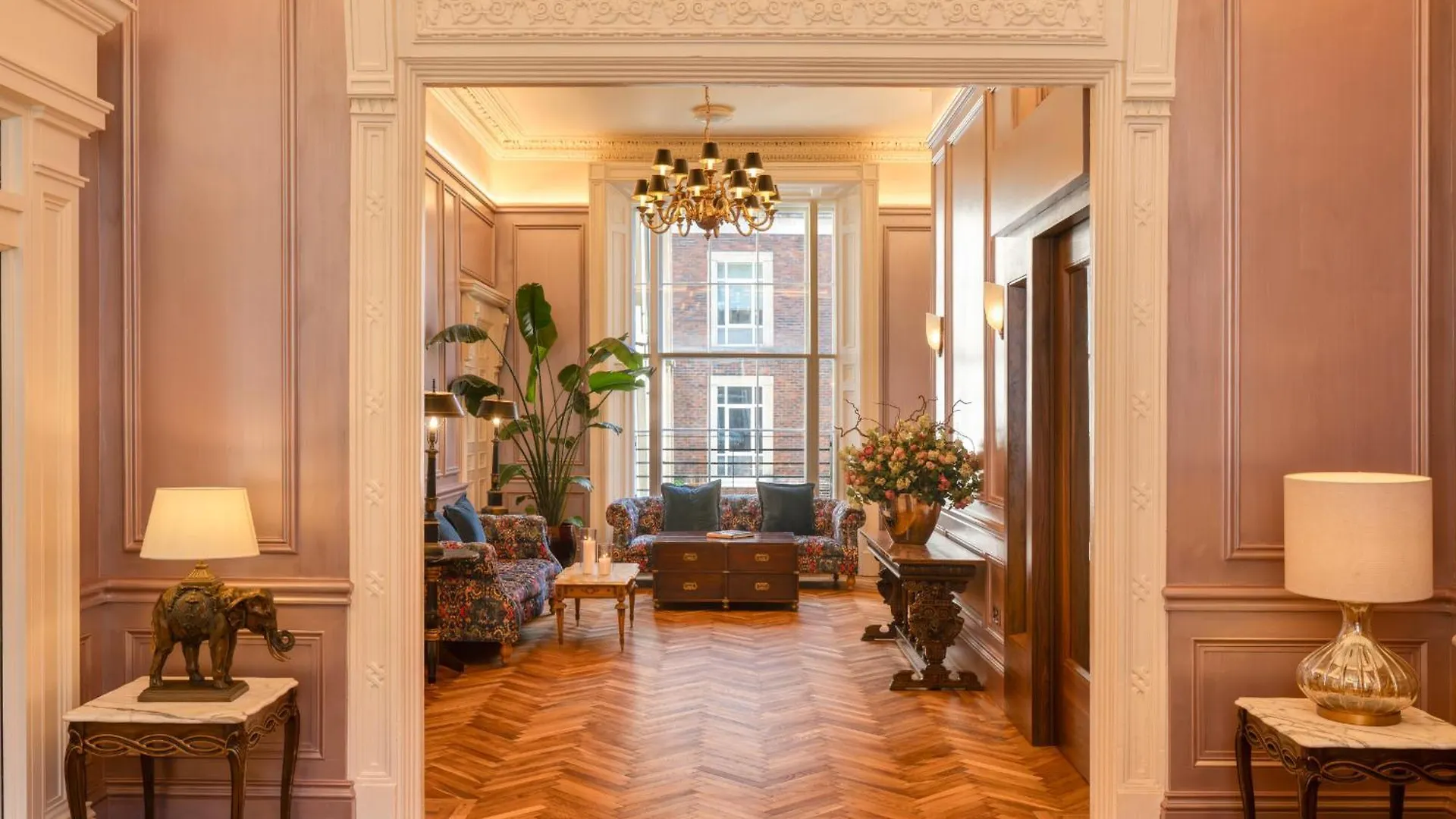
St. Stephen's Green sits at the southern end of Grafton Street, placing guests within a 10-minute walk of Trinity College, the National Museum of Ireland, and Dublin's main retail and dining corridors. This guide covers 6 central hotels in the area - from budget-accessible Georgian guesthouses to a 5-star property with a 2-Michelin-star restaurant - so you can match the right option to your trip priorities before you book.
What It's Like Staying In St. Stephen's Green
Staying in St. Stephen's Green puts you at the geographic and commercial heart of Dublin's southside, where Grafton Street's pedestrian strip is under 5 minutes on foot and the Luas Green Line stop at St. Stephen's Green station connects you directly to Ranelagh, Dundrum, and the outer suburbs in minutes. The neighbourhood is lively during the day - Grafton Street buskers, lunch crowds around Iveagh Gardens, and shoppers moving between Grafton and Dawson Street - but it quiets considerably by midnight, unlike Temple Bar, which remains loud until the early hours. Travellers who prioritise walkability and want to avoid relying on taxis or buses for most Dublin sightseeing benefit the most from basing themselves here.
Pros:
- Walkable to Dublin's key sights - Trinity College, the National Gallery, Merrion Square, and St. Patrick's Cathedral are all reachable on foot without needing transport.
- Luas Green Line access at St. Stephen's Green station connects to south Dublin suburbs and offers easy interchange toward the city's north via the Red Line at Abbey Street.
- The area is calm at night compared to Temple Bar, making it easier to sleep without noise disturbance in most hotels.
Cons:
- Central Dublin hotel prices in this zone run higher than in areas like Parnell Street or the Liberties - you pay a premium for the walkability.
- Harcourt Street and the streets adjacent to the Green see considerable footfall and some weekend nightlife noise from nearby venues.
- Parking in the immediate St. Stephen's Green area is limited and expensive; if you're arriving by car, check whether your hotel provides garage parking before booking.
Why Choose A Central Hotel In St. Stephen's Green
Central hotels around St. Stephen's Green span a wider range than the label suggests - from compact Georgian guesthouses with 10 to 20 rooms to full-service 4-star properties with gyms, restaurants, and meeting facilities. Room sizes vary significantly: Georgian townhouse conversions often feature smaller standard doubles due to the listed building constraints, while purpose-built hotels on Harcourt Street or the Green's perimeter deliver larger footprints. Staying centrally here removes around 40% of the transit decisions most Dublin visitors face, since the majority of sightseeing circuits - from the Little Museum of Dublin to Merrion Square and Iveagh Gardens - are self-contained within walking distance.
Pros:
- Hotels in this zone frequently include breakfast, either as standard or at reasonable add-on cost, which reduces daily spend given Dublin's high café prices.
- The mix of property types - townhouse guesthouses, boutique hotels, and larger 4-star options - means you can calibrate spend without leaving the neighbourhood.
- A central location here means fewer transport costs per day, which partially offsets the higher nightly rate compared to peripheral Dublin areas.
Cons:
- Georgian townhouse hotels lack lifts due to protected structure status - a practical issue for guests with heavy luggage or mobility considerations.
- Standard rooms in smaller guesthouses can be tight, particularly in properties where the building layout hasn't changed since the 18th century.
- Weekend demand from both leisure travellers and events at the nearby 3Arena and convention venues pushes rates up, making midweek stays measurably cheaper.
Practical Booking & Area Strategy
The strongest hotel positioning around St. Stephen's Green concentrates along three corridors: Harcourt Street (southwest corner of the Green, with direct Luas access), Leeson Street (quieter residential stretch with Georgian architecture), and the Green's south and east sides, which face the park itself and offer garden or park views in select properties. Hotels on or just off Merrion Street and Fitzwilliam Street gain proximity to the National Gallery and Government Buildings without the pedestrian density of the Grafton Street approach. For sightseeing, the Iveagh Gardens - tucked behind Harcourt Street - offer a quieter alternative to the main park and are rarely crowded even during summer. Book at least 6 weeks ahead for stays between June and August or over St. Patrick's weekend in March, when room availability across central Dublin tightens sharply. If your visit falls between November and February, last-minute rates become viable and the area is noticeably less congested, with the park and Grafton Street far more manageable. Dublin Airport is around 10 km from the Green; the Aircoach stops on Dawson Street, a 5-minute walk from most hotels in this zone, and runs frequently throughout the day and night.
Best Value Stays
These properties deliver solid central positioning near St. Stephen's Green at rates that sit below the zone's premium tier - without sacrificing the walkability advantage that makes this neighbourhood worth staying in.
-
1. Albany House
Show on map


-
2. Fitzwilliam Townhouse
Show on map


-
3. Number 31
Show on map


Best Premium Stays
These three hotels bring full-service amenities, larger room footprints, and direct adjacency to St. Stephen's Green - positioning them at the upper end of what central Dublin accommodation delivers in this zone.
-
4. Iveagh Garden Hotel
Show on map


-
5. The Green
Show on map


-
6. The Merrion Hotel
Show on map


Smart Travel & Timing Advice For St. Stephen's Green
June through August is peak season in this part of Dublin - hotel rates across the St. Stephen's Green zone rise sharply, and properties on or adjacent to the park fill weeks in advance, particularly on weekends. St. Patrick's Day weekend in March represents the single highest-demand spike of the year; if your dates include 17 March, book at least 8 weeks ahead or expect very limited availability at realistic prices. The quietest and most affordable window runs from November through early February, when rates can drop meaningfully and Grafton Street, the Iveagh Gardens, and the Green itself are far less congested - a genuine advantage if your trip is sightseeing-focused rather than weather-dependent. Midweek stays consistently undercut weekend pricing by a noticeable margin in this zone, so a Tuesday-Thursday stay at a 4-star property here can cost less than a Friday-Sunday stay at a comparable 3-star option. For most first-time visitors to Dublin, 3 nights based in this area gives enough time to cover the principal sightseeing loop without feeling rushed, while repeat visitors or those combining Dublin with a broader Ireland itinerary may find 2 nights sufficient given how compact the city centre is on foot.