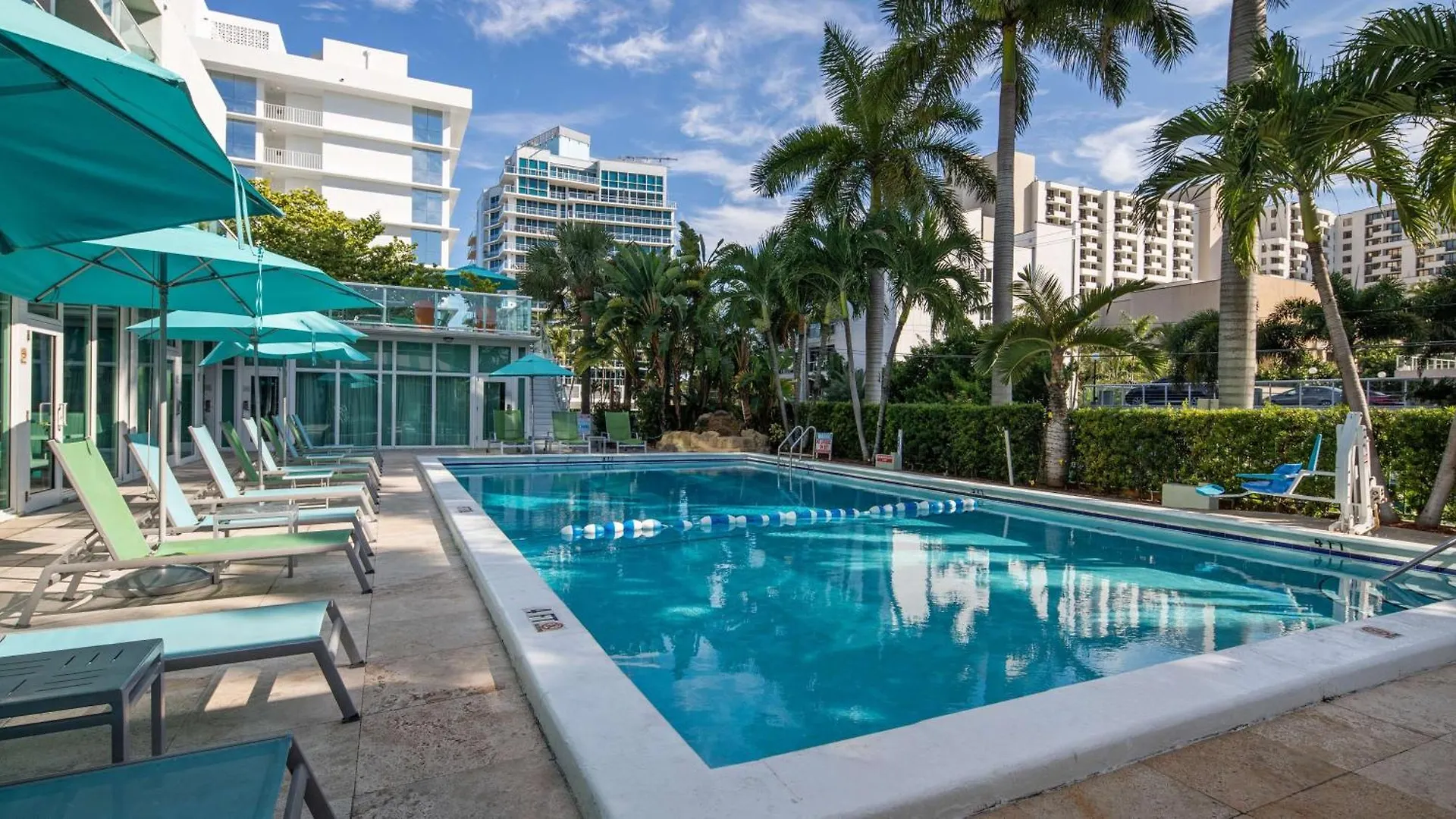
Fort Lauderdale Beach sits along a 7-mile stretch of Atlantic coastline where hotel positioning, direct beach access, and architectural character vary dramatically from one block to the next. This guide covers seven design-forward hotels on or within steps of the beach, breaking down what each property actually delivers so you can book with confidence rather than guesswork.
What It's Like Staying in Fort Lauderdale Beach
Fort Lauderdale Beach runs along A1A (North Ocean Boulevard), a walkable coastal strip where most hotels sit within two blocks of the sand. The beach itself is far less crowded than Miami Beach, with a local rhythm that shifts between laid-back mornings and a noticeably active bar and restaurant scene after dark, especially along Las Olas Boulevard just inland. Transit options are lean - the Sun Trolley's Beach Route connects the strip to downtown, but most guests drive or rely on rideshare for anything beyond the immediate beachfront corridor.
Staying on Fort Lauderdale Beach puts you steps from the Atlantic with almost no need for a car during the day, but around 80% of cultural and culinary highlights require a short drive into the Arts and Entertainment District or along Las Olas. Travelers who prioritize walkable beach access over urban density will find this location well-suited to their needs; those seeking constant nightlife within walking distance may find the strip quieter than expected after 11 p.m.
Pros:
- * Direct Atlantic Ocean access with significantly less foot traffic than South Beach, making mornings on the sand genuinely peaceful
- * A1A is fully walkable for beach bars, seafood restaurants, and watersports rentals without needing a car
- * Proximity to Hugh Taylor Birch State Park and the International Swimming Hall of Fame adds non-beach day value within 10 minutes on foot
Cons:
- * The Sun Trolley stops running in the evening, so late-night returns from downtown Las Olas rely entirely on rideshare
- * A1A traffic picks up sharply on weekend afternoons, making street noise noticeable in lower-floor rooms facing the boulevard
- * Grocery shopping and everyday errands require a drive, as the beachfront strip offers almost no supermarkets or pharmacies
Why Choose Design Hotels in Fort Lauderdale Beach
Design hotels in Fort Lauderdale Beach distinguish themselves not through size but through deliberate spatial and aesthetic choices - aqua-toned interiors that reference the ocean, marina-integrated layouts, and beachfront architecture that prioritizes sightlines over square footage. Unlike generic chain properties inland, design-forward hotels here tend to occupy prime A1A positioning or beachfront lots, meaning the visual and physical connection to the Atlantic is baked into the concept rather than treated as an aftermarket amenity.
Rates at well-positioned design hotels on the beach run noticeably higher than comparable inland hotels, often by around 35%, but that premium typically buys direct beach access, a more curated common area experience, and room configurations that make the coastal setting feel intentional. Trade-offs include smaller standard room footprints compared to full-service resort chains, and in boutique properties, limited on-site dining - some design hotels here offer a bar or breakfast spot rather than full restaurant service, which matters for guests who prefer not to leave the property for every meal.
Pros:
- * Beachfront and near-beach positioning on A1A means the Atlantic is part of the visual experience from the property, not just accessible nearby
- * Design-focused common areas - tiki bars, saltwater pools, marina walkways - create a sense of place that chain hotels in the corridor lack
- * Room configurations in design properties often include kitchenette or full kitchen options, supporting longer stays without daily restaurant dependency
Cons:
- * Boutique design hotels typically offer fewer on-site dining options than large resort properties, requiring guests to plan meals in advance
- * Parking at design hotels on A1A is often limited or fee-based, which adds cost for guests driving in from Miami or the airport
- * Standard rooms in design-forward boutique properties tend to be compact, with larger suites commanding a significant price jump
Practical Booking & Area Strategy for Fort Lauderdale Beach
The strongest positioning for design hotels on the beach is along North Ocean Boulevard (A1A) between Birch Road to the north and Las Olas Boulevard to the south - this roughly 1.5-mile corridor keeps you within a 15-minute walk of the International Swimming Hall of Fame, Bonnet House Museum and Gardens, and the main beach entertainment zone. Hotels on the east side of A1A or with skywalk and private walkway beach access eliminate the road-crossing variable entirely, which matters more than it sounds during peak season when boulevard traffic is constant. Fort Lauderdale-Hollywood International Airport sits around 18 kilometers south, making rideshare arrival straightforward and typically under 25 minutes outside rush hour.
Book at least 8 weeks ahead for stays between December and April, when snowbirds and spring breakers drive occupancy above 90% across the beachfront strip. The Riverwalk Arts and Entertainment District is a 15-minute drive, Las Olas Boulevard restaurants are 10 minutes by car, and Hugh Taylor Birch State Park - one of the most underused green spaces in Broward County - is walkable from most A1A hotels. Summer brings lower rates and thinner crowds, but afternoon thunderstorms are routine from June through September and should factor into activity planning.
Best Value Design Stays
These properties deliver strong design character and direct or near-direct beach access at rates that stay competitive within the Fort Lauderdale Beach corridor, making them the practical choice for travelers who want the coastal aesthetic without the full resort price tag.
-
1. Best Western Plus Oceanside Inn
Show on map


-
2. Ft. Lauderdale Beach Resort Hotel
Show on map


-
3. Aqua Hotel
Show on map


-
4. Sun Tower Hotel & Suites On The Beach
Show on map


Best Premium Design Stays
These properties command higher rates on the Fort Lauderdale Beach corridor but back the premium with beachfront architecture, expanded spa and dining facilities, and resort-level amenities that justify the step up for guests who want a more complete on-property experience.
-
5. Ocean Manor Beach Resort
Show on map


-
6. The Westin Fort Lauderdale Beach Resort
Show on map


-
7. Bahia Mar Fort Lauderdale Beach - Doubletree By Hilton
Show on map


Smart Timing and Booking Advice for Fort Lauderdale Beach
Fort Lauderdale Beach operates on a clear seasonal split: the high season runs from December through April, when snowbirds from the Northeast and Midwest fill the corridor and beachfront rates spike sharply. Spring break in March is the single most congested window on the strip, with occupancy at premium design hotels reaching near-capacity weeks in advance - book at least 8 weeks ahead for that period. May and November represent the best value windows, offering warm enough temperatures for beach use with meaningfully lower rates and thinner crowds at pools and watersports facilities.
Summer stays from June through August bring the lowest rates of the year, but afternoon thunderstorms arrive almost daily and humidity peaks significantly, which changes how outdoor amenities feel in practice. A stay of 3 nights is the practical minimum to make the most of Fort Lauderdale Beach - enough time to cover the beach, a Las Olas dinner, a state park visit, and at least one watersports session without feeling rushed. Last-minute deals occasionally surface in September and October as the quiet shoulder season deepens, but availability at marina-side and beachfront-access properties narrows fast once the design-forward options fill in.