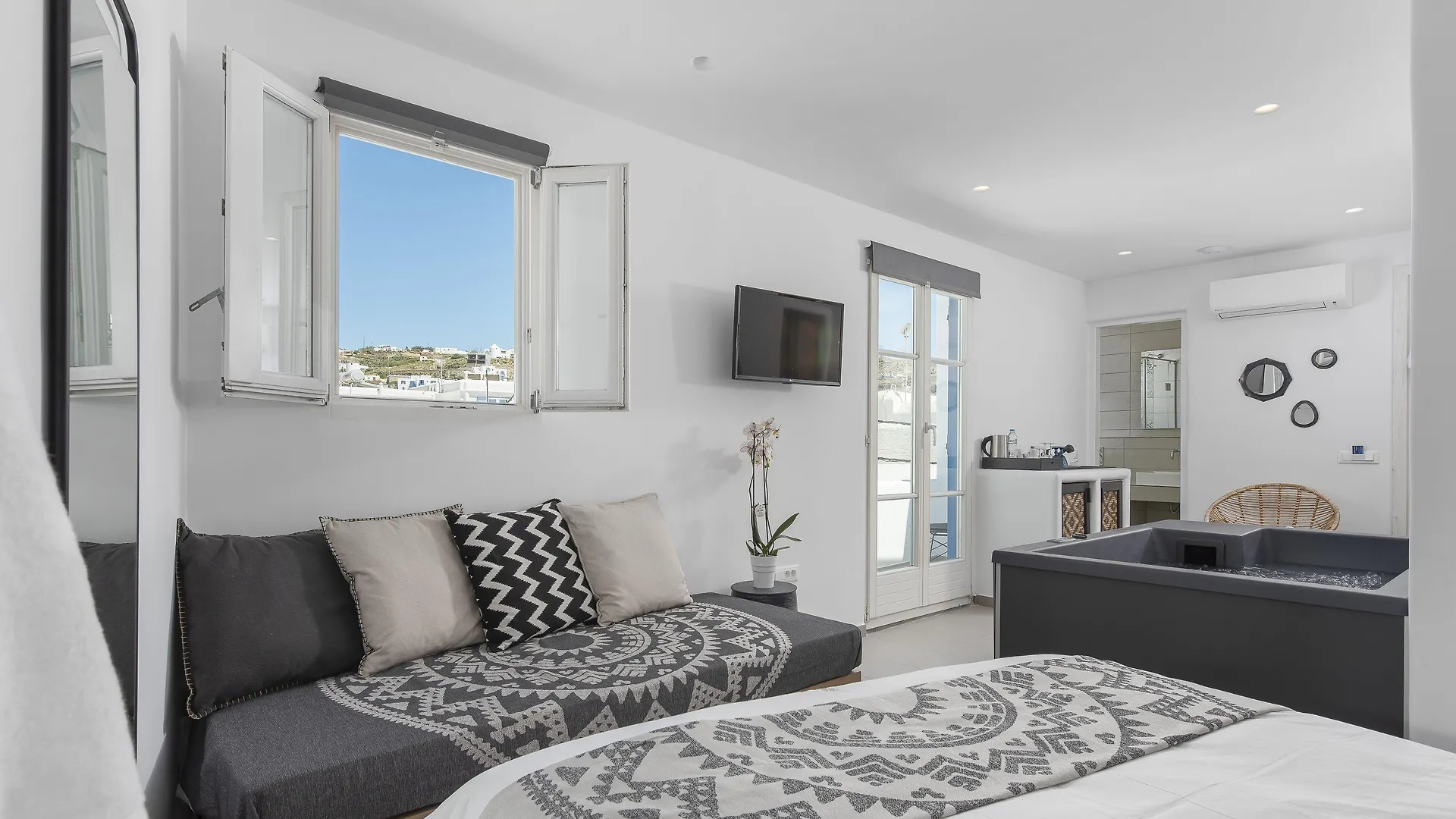
Mykonos City Centre - locally known as Chora - is the pedestrian-only core of the island, where whitewashed lanes connect the Windmills, Little Venice, the Old Port, and the island's most concentrated dining and nightlife strip. Staying centrally means everything moves on foot, but it also means navigating one of the busiest tourist zones in the Aegean. This guide compares the two central hotels available in Mykonos City Centre so you can book with a clear picture of what each property actually delivers.
What It's Like Staying in Mykonos City Centre
Chora's pedestrian layout means cars cannot enter the historic core, so your hotel is genuinely walkable to landmarks - the Windmills (Kato Mili), Little Venice, the Archaeological Museum, and the Old Port ferry docks are all within around 400 metres of the centre. Night-time noise is a real factor: the maze of narrow alleys amplifies bar and club sound, especially on Matogianni Street and the waterfront promenade, so soundproofed rooms are not a luxury but a practical necessity. The crowd rhythm is predictable - afternoons are quieter, but evenings from around 9 PM bring dense foot traffic that does not ease until well after midnight during high season.
Pros:
- * Every landmark in Chora is reachable on foot within minutes - no taxis needed for dinners, sunsets, or ferry check-ins at the Old Port
- * Direct bus connections to all major beaches (Platys Gialos, Paradise, Super Paradise) depart from the two Fabrika terminals, both under 10 minutes' walk from the centre
- * Delos day-trip ferries depart from the Old Port, making a central stay logistically efficient for island exploration
Cons:
- * Ambient noise from bars and foot traffic persists late into the night, especially July and August
- * No vehicle access inside Chora means luggage must be carried from drop-off points - often a steep or cobbled walk
- * Properties in the central zone command a significant premium over comparable hotels just 1 km outside the core
Why Choose a Central Hotel in Mykonos City Centre
Central hotels in Chora trade on location above all else - the ability to walk out of your door into the thick of Mykonian life without planning transport is a genuine advantage that peripheral beach resorts cannot replicate. Room rates in the centre can run around 40% higher than comparable-quality hotels on the outskirts, a premium driven entirely by address, not by square footage. Rooms in central properties are typically more compact than resort equivalents, reflecting the architectural constraints of the Cycladic building stock, but the trade-off is a sunset from your terrace over the Aegean rather than a car park view. The category suits travellers who prioritise access to restaurants, galleries, and nightlife walking distance over pool size or beach-front access.
Pros:
- * Walking access to Matogianni Street's boutiques and restaurants, Little Venice's sunset cocktail bars, and the waterfront without transport cost or wait time
- * Central location keeps taxi and transfer costs near zero for most evening activities - particularly valuable during peak July and August when ride availability drops
- * Properties in the historic core tend to offer architecturally distinctive rooms with Cycladic design elements not found in larger resort complexes
Cons:
- * Room sizes are noticeably smaller than comparably priced beach-resort rooms - junior suites in central Chora are often the equivalent of a standard room elsewhere
- * Outdoor pool space is limited or absent in most central properties due to plot constraints, making wellness-focused stays harder to sustain
- * Parking is either valet-only or entirely unavailable inside the pedestrian zone, making central stays impractical for guests renting a car for beach access
Practical Booking & Area Strategy for Mykonos City Centre
Within Chora, the best-positioned central hotels cluster along the hillside above Matogianni Street and around the Little Venice waterfront on Mitropoleos and Agios Gerasimos lanes - both areas deliver Aegean views while remaining inside the pedestrian core. Matogianni Street itself is the commercial spine of Chora: staying within one block means maximum convenience but also maximum noise; hotels one block back gain quiet without losing walkability. The Old Port ferry dock for Delos and inter-island connections is around 600 metres from the centre on foot, making a central stay viable even for ferry-heavy itineraries.
For things to do directly from a central base: the Windmills of Kato Mili are the island's most photographed landmark, a 5-minute walk from most central hotels; the Archaeological Museum of Mykonos on Enoplon Dinameon Street holds the island's best collection of ancient Cycladic artefacts; and the 18th-century Paraportiani Church is a 3-minute walk from Little Venice. Book central rooms at least 3 months in advance for July or August stays - Chora's limited central inventory sells out fast, and last-minute options often disappear entirely or shift to significantly higher rack rates.
Best Value Stay
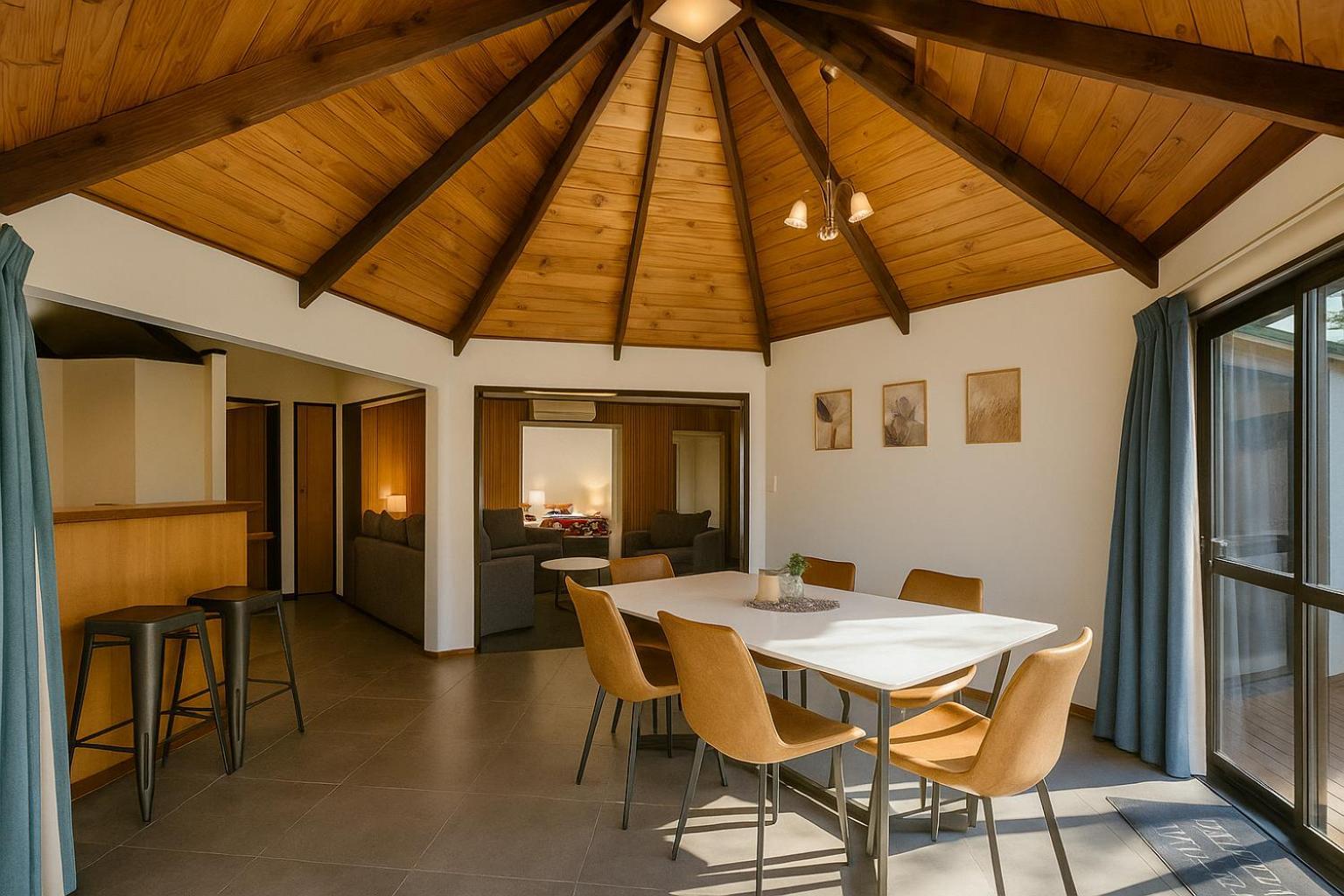
A centrally located aparthotel suite in the heart of Little Venice, positioned for guests who want Chora access with independent self-catering flexibility and a spa-grade room feature at a more accessible price point than Chora's five-star options.
-
1. Little Venice Villas
Show on map


Best Premium Stay
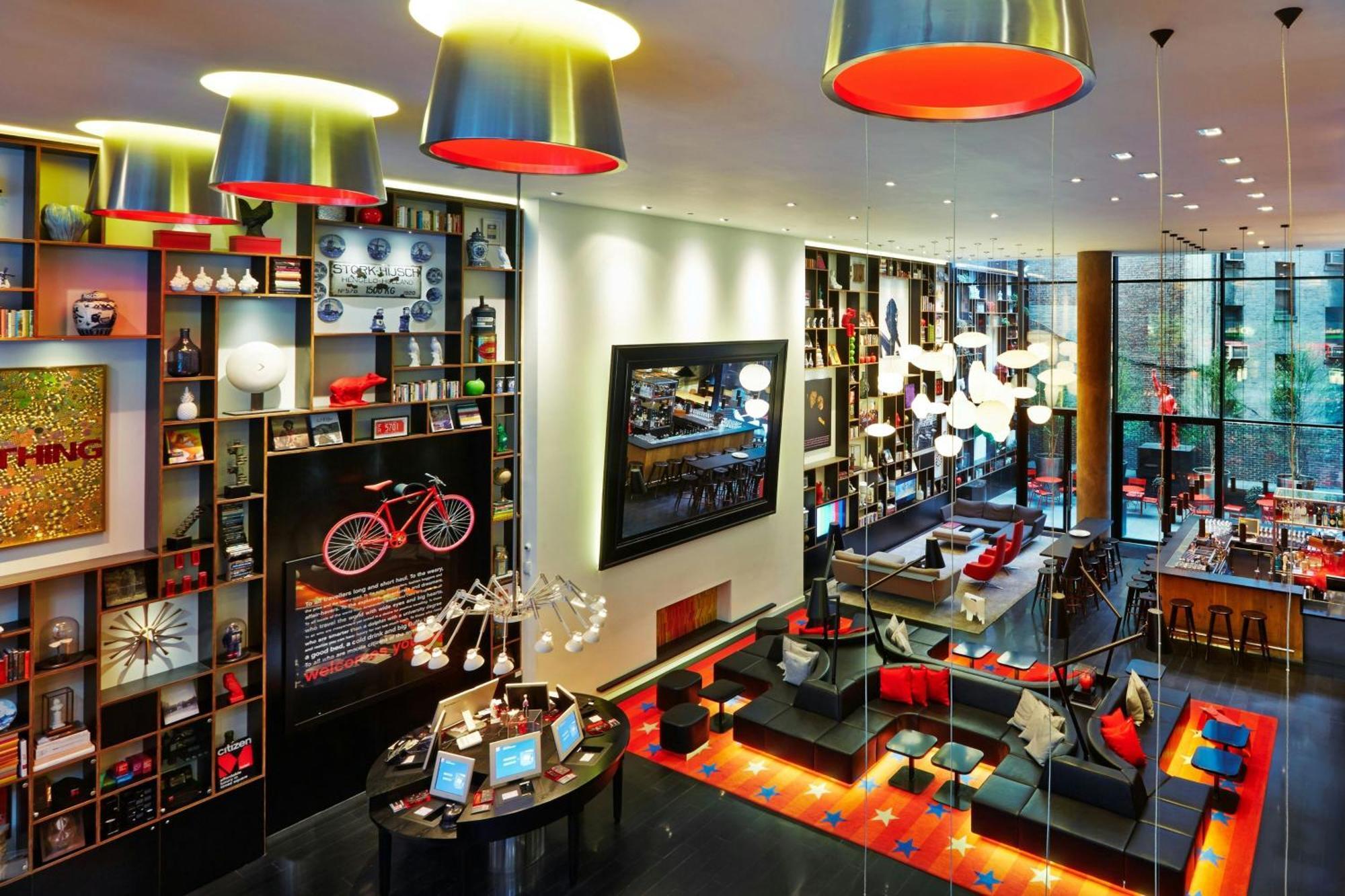
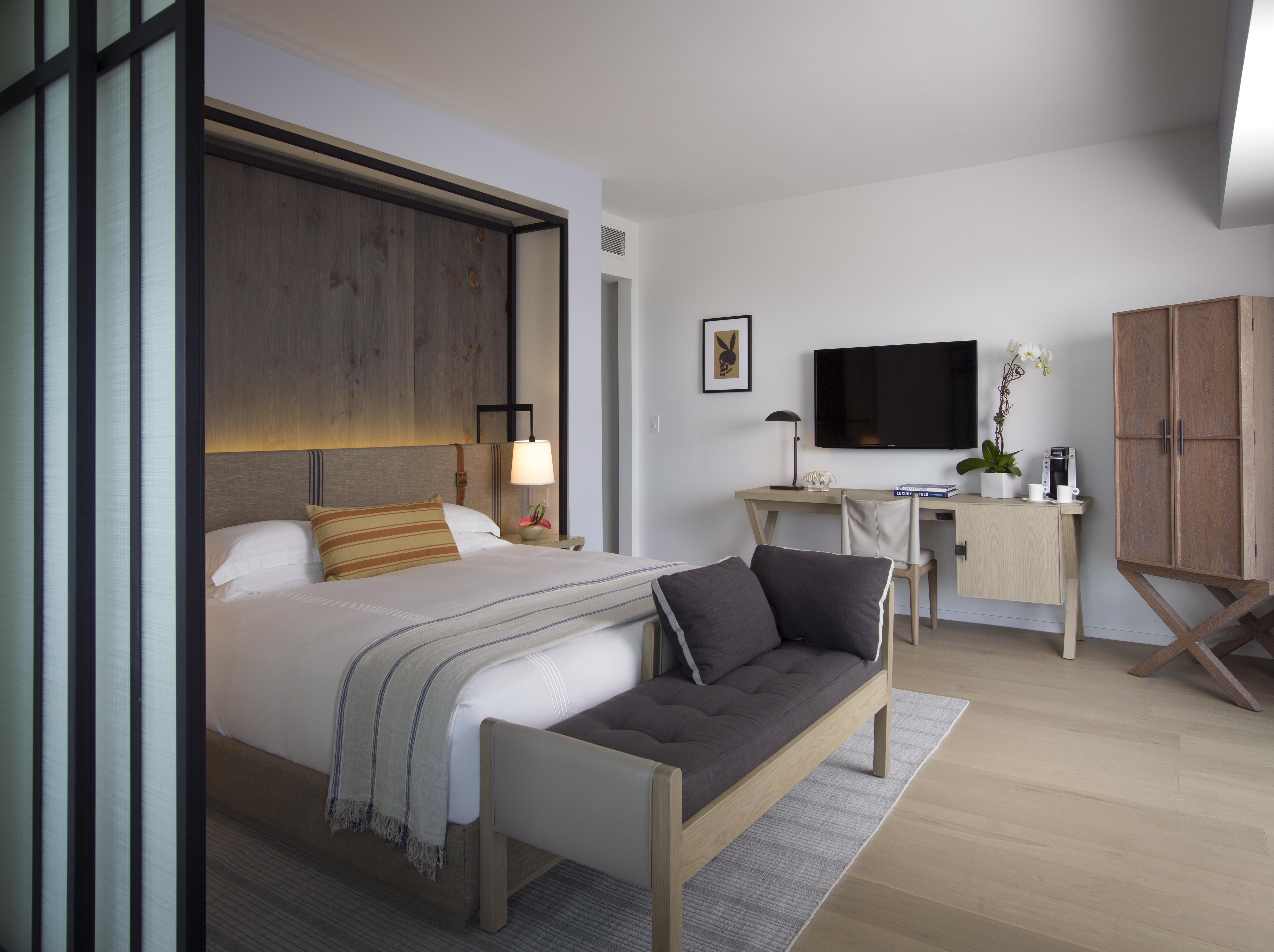
Mykonos City Centre's most facility-rich central property, combining a five-star wellness infrastructure, three on-site restaurants, and direct sunset views over Chora - suited to guests who want the central address without sacrificing resort-level amenities.
-
2. Belvedere Mykonos - Main Hotel - The Leading Hotels Of The World
Show on map


Smart Travel & Timing Advice for Mykonos City Centre
The Chora central zone operates on a compressed seasonal calendar: May and early June bring manageable crowds, mild temperatures, and rates that are noticeably lower than peak, while the island still has its full restaurant and beach-club infrastructure open. July and August are the most pressured months - Chora's streets become genuinely congested by evening, beach club entry requires advance booking, and the Assumption holiday week around August 15 marks the absolute crowd peak of the year. For central hotel inventory specifically, properties on Matogianni and the Little Venice waterfront can sell out completely for August weekends up to 6 months in advance; waiting until 8 weeks out will significantly narrow your options. September is the most strategically sound month for a first visit to Mykonos City Centre: crowds thin noticeably after Labour Day, sea temperatures remain warm for swimming, and central hotels begin reducing nightly rates while most restaurants and activities remain fully operational. A stay of 3 nights provides enough time to cover the main Chora landmarks, take a Delos day trip from the Old Port, and still use the Fabrika bus terminal for a full beach day - shorter stays tend to feel rushed given the ferry logistics.