Chinatown in Lower Manhattan is one of the most densely packed and authentically urban neighborhoods in New York City - a district where Canal Street vendors set up at dawn, dim sum restaurants fill before 9 AM on weekends, and the J, N, Q, R, Z, and 6 subway lines all converge within walking distance. Staying here puts you at a genuine crossroads between SoHo, Tribeca, the Lower East Side, and the Financial District, with no need for taxis to reach most of downtown Manhattan. This guide covers the 2 central hotels in Chinatown, New York that offer the best combination of location, facilities, and booking value for travelers who want to be in the middle of it all.
What It's Like Staying in Chinatown, New York
Chinatown occupies a compact grid between Canal Street to the north, Worth Street to the south, the Bowery to the east, and Broadway to the west - meaning most of the neighborhood is walkable in under 15 minutes end-to-end. Canal Street subway hub connects you to the N, Q, R, W, J, Z, and 6 trains, making midtown, Brooklyn, and the airports accessible without a car. The trade-off is real street noise: delivery trucks, fish market vendors, and produce stalls are active from 6 AM, so light sleepers in street-facing rooms will notice it.
Pros:
- * Canal Street station gives you direct subway access to 7 separate lines within a 5-minute walk of most Chinatown addresses
- * Walking distance to SoHo, Tribeca, the Financial District, and the Manhattan Bridge arch - no subway needed for most downtown itineraries
- * Some of the lowest nightly hotel rates in Lower Manhattan, with central options running noticeably below equivalent rooms in Tribeca or SoHo
Cons:
- * Street-level noise from markets, vendors, and delivery traffic starts early and persists through midday on weekends
- * Parking is scarce and expensive - not a practical base if you're arriving by car
- * The neighborhood quiets significantly after around 10 PM, with fewer late-night dining and entertainment options than nearby SoHo or the Lower East Side
Why Choose a Central Hotel in Chinatown
Central hotels in Chinatown are positioned to give guests walkable access to multiple Manhattan neighborhoods simultaneously - unlike midtown hotels where you're locked into one corridor. The per-night price advantage compared to equivalent-quality rooms in SoHo or the Financial District can be around 25%, making central Chinatown properties strong value picks for travelers spending most of their time downtown. Room sizes in this district vary: apartment-style units with separate living areas and full kitchens are available and offer a practical alternative to standard hotel rooms, especially for stays over 3 nights where self-catering reduces meal costs significantly.
Pros:
- * Apartment-style layouts with full kitchens and laundry facilities mean genuine cost savings on multi-night stays versus eating out every meal
- * Central positioning lets you walk to Mott Street, Columbus Park, Doyers Street, and the Museum of Chinese in America without losing time to transit
- * Properties with fitness centres, pools, and 24-hour front desks provide infrastructure comparable to larger midtown hotels at lower rates
Cons:
- * Weekend foot traffic on Mott and Canal Streets makes ground-floor and low-floor rooms noticeably louder than upper-floor units
- * Fewer hotel-branded dining options than midtown counterparts - guests rely on the neighborhood's restaurant scene, which is dense but closes early
- * High occupancy periods around Chinese New Year (late January-February) mean availability drops sharply and rates rise steeply if you book late
Practical Booking & Area Strategy for Chinatown, New York
For the best micro-location within Chinatown, prioritize hotels within a block of Canal Street or Mott Street - these addresses give you the fastest subway access and the densest cluster of restaurants, bakeries, and cultural sites like the Museum of Chinese in America on Centre Street and the Mahayana Buddhist Temple on Canal Street East. Columbus Park on Mulberry Street is a 5-minute walk from most central Chinatown addresses and is one of the few open green spaces in the area, functioning as a genuine neighborhood gathering point rather than a tourist landmark. If your itinerary includes Wall Street, the 4 and 5 express trains from nearby Fulton Street get you to the Financial District in under 10 minutes, and Brooklyn is reachable on foot via the Manhattan Bridge in around 25 minutes. Book at least 6 weeks ahead if your dates overlap with Chinese New Year (late January to mid-February), when Chinatown becomes one of the most visited neighborhoods in all of New York City and hotel availability near Canal Street drops sharply. For travelers focused on SoHo shopping or Tribeca restaurants, the short walk north (under 10 minutes on foot) means you don't sacrifice access to those neighborhoods by basing yourself in Chinatown.
Best Value Stays
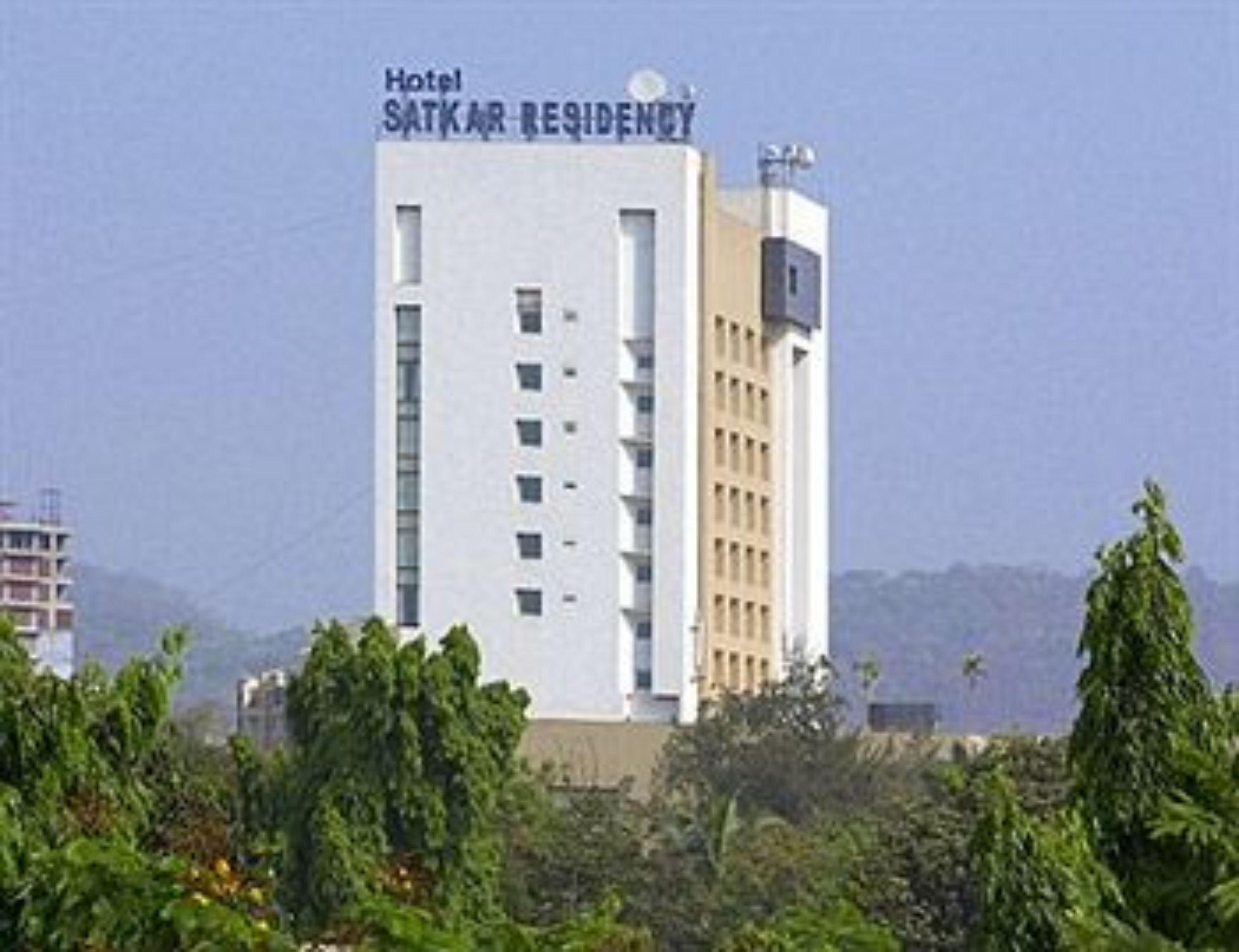
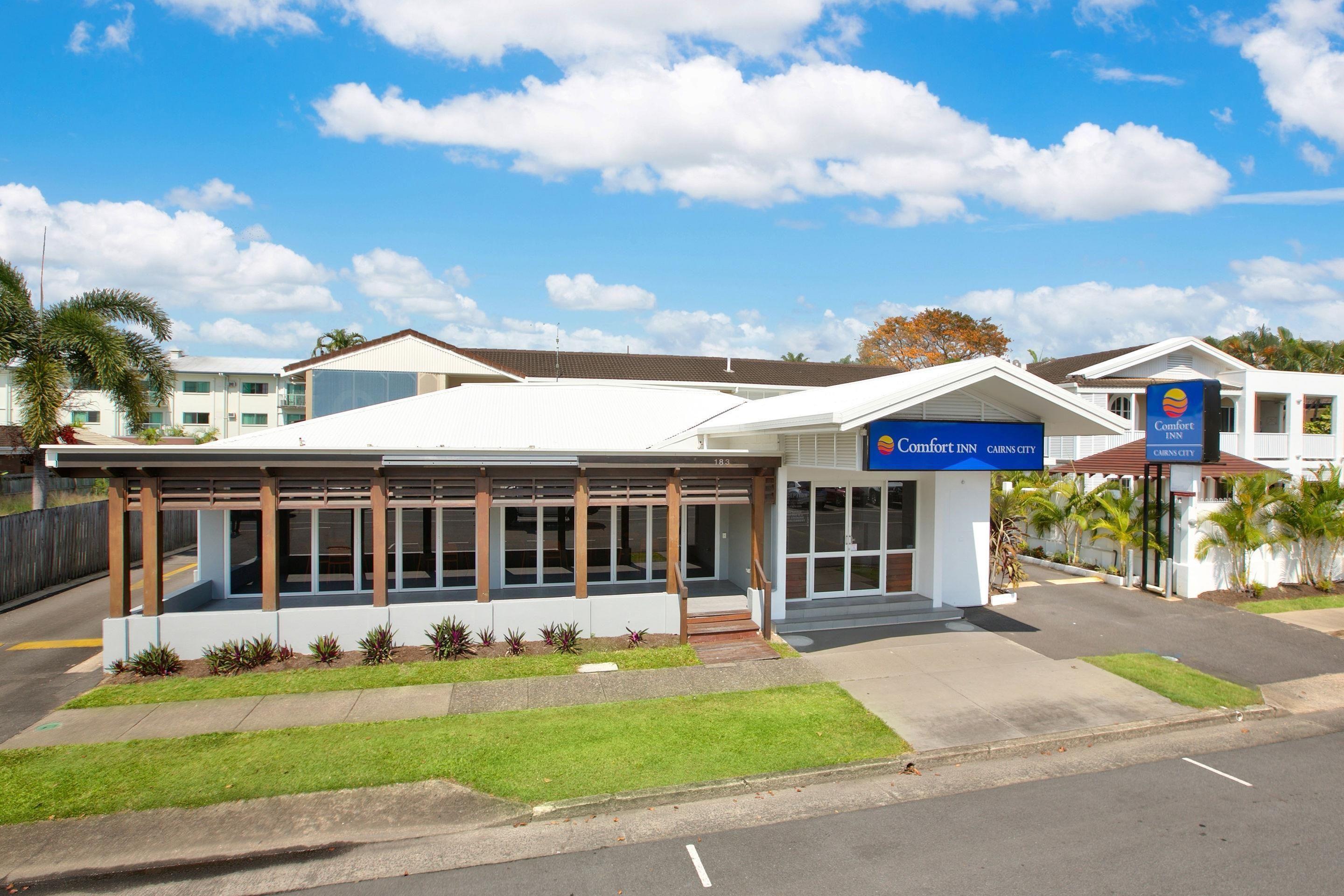
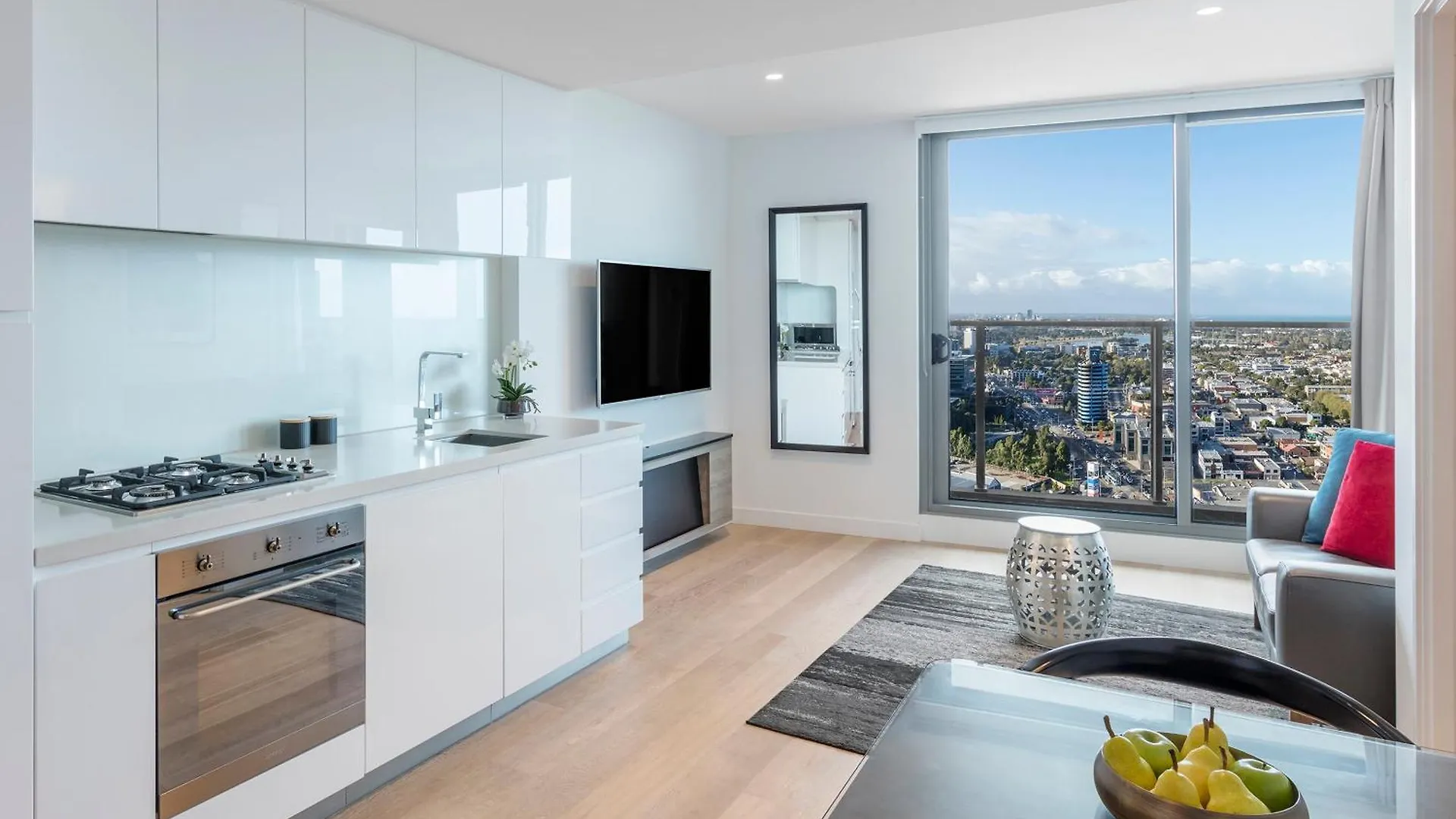
These centrally located Chinatown properties offer self-contained apartment-style accommodation with strong kitchen and laundry facilities - a practical choice for travelers wanting to keep costs down without sacrificing space or amenities in Lower Manhattan.
-
1. Imagine Marco
Show on map


 Check-infrom 14:00 until 23:59Check-outuntil 10:00
Just a few rooms left at the best rate!
fromAU$ 129
Best Premium Stay
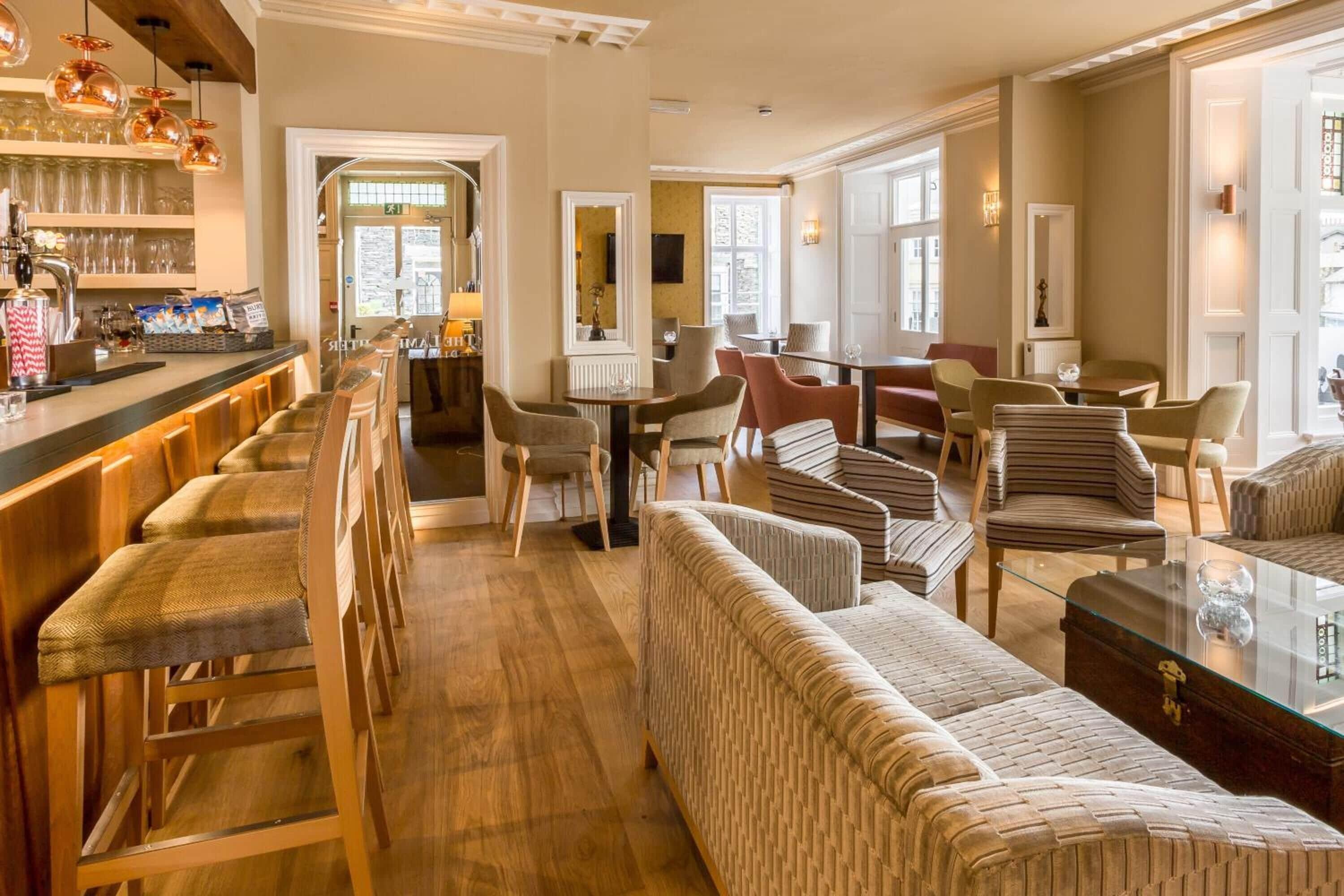
For travelers who want more space, on-site dining, and a full-service hotel experience while staying centrally in Chinatown, this property delivers the broadest range of amenities available in the district.
-
2. Quest Southbank
Show on map


 Check-infrom 14:00 until 23:59Check-outuntil 10:00
Hurry – almost gone at this price!
fromAU$ 157
Smart Travel & Timing Advice for Chinatown, New York
The highest-demand window for Chinatown hotels is Chinese New Year, which falls in late January or February depending on the lunar calendar - crowds swell dramatically, street parades on Mott Street draw thousands of visitors, and central hotel rates in the district can spike by around 40% compared to standard winter pricing. Outside that window, late spring (April to early June) is the most comfortable time to base yourself in Chinatown: temperatures are walkable, crowds are lighter than summer, and hotel availability is at its most flexible. Summer weekends in July and August bring the second-highest occupancy peak, driven by general NYC tourism - booking at least 4 weeks ahead for weekend stays is the minimum to secure a room at stable rates. For travelers with flexible schedules, mid-week stays in September and October offer the best balance of pleasant weather, manageable street crowds, and competitive hotel pricing across central Chinatown properties. A minimum of 2 nights makes logistical sense for this district: one full day to cover the core of Chinatown (Mott Street, Doyers Street, Columbus Park, the Museum of Chinese in America) and at least one day using the neighborhood as a base to reach SoHo, the Financial District, or Brooklyn Bridge on foot or by subway. Last-minute booking in Chinatown carries real risk during peak periods - this is one of the few Lower Manhattan neighborhoods where demand from both cultural tourists and local visitors converges in a very small geographic footprint.