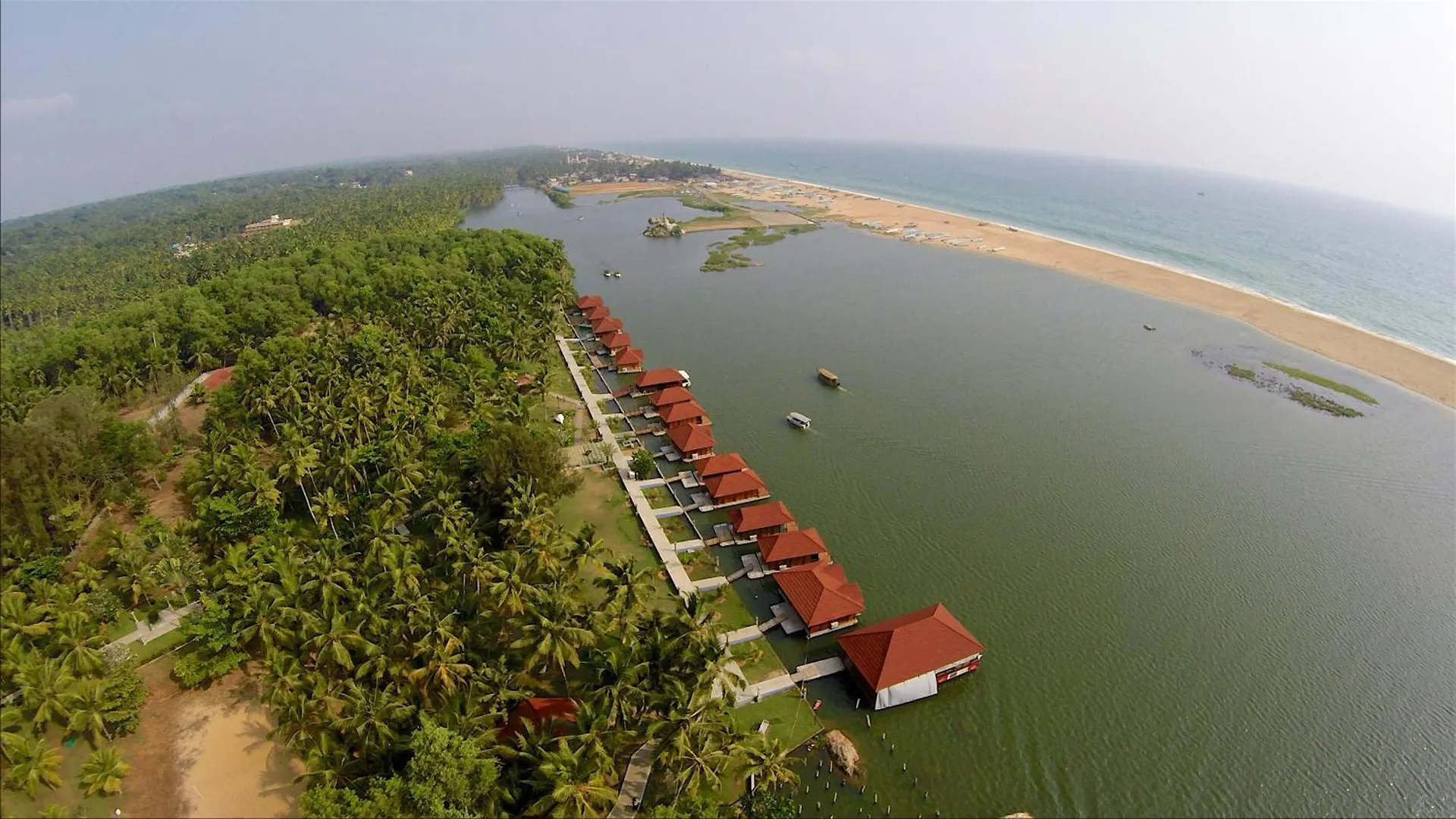
India is one of the few countries where spa tourism is not a luxury add-on but a cultural institution - rooted in Ayurveda, yoga, and centuries-old wellness traditions that vary dramatically from Kerala's backwaters to Rajasthan's desert forts. With 15 spa hotels spread across wildly different landscapes and price points, choosing where to stay requires more than checking amenity lists. This guide breaks down what each property actually delivers, which regions suit which travel styles, and how to time your booking to avoid peak-season price spikes.
What It's Like Staying in India
India spans deserts, tropical coastlines, Himalayan foothills, and ancient cities - and the experience of staying here shifts entirely depending on which region you choose. Kerala's backwater resorts offer a fundamentally different atmosphere than a heritage fort in Jaisalmer or a Ganges-side retreat in Rishikesh, and these differences affect everything from check-in logistics to how far you are from the nearest functioning ATM. Crowds are real and location-specific: Goa's beach resorts fill up entirely between November and February, while hill stations like Chail or Darjeeling attract domestic tourists during Indian school holidays in May and October.
Pros:
Unmatched wellness depth - Ayurvedic treatments in Kerala and yoga programs in Rishikesh are tied to living traditions, not imported spa menus
Diverse landscapes within one country mean you can combine a beach stay in Goa with a heritage stay in Rajasthan without crossing a border
Around 70% of India's top spa resorts offer all-inclusive or semi-inclusive wellness packages that represent significantly better value than equivalent properties in Europe
Cons:
Transport between regions is time-consuming - internal flights help, but airport transfers can add around 2 hours to arrival times
Air quality in major cities like Hyderabad or Jaipur is noticeably worse in winter months, which affects open-air wellness activities
Some rural resort locations require advance coordination for transportation, as ride-hailing apps have limited reach outside urban centers
Why Choose Spa Hotels in India
India's spa hotel category is unusually broad - it includes Ayurveda-certified treatment centers in Kerala, desert spa retreats with camel-ride excursions in Rajasthan, and Ganges-side wellness resorts combining white-water rafting with yoga. Prices vary more sharply here than in most Asian countries: a 4-star spa resort in Wayanad or Hyderabad can cost under ₹6,000 per night, while a 5-star beachfront property in Goa or a private-island concept in Udaipur runs three to five times higher during peak season. Room sizes at Indian spa resorts tend to be generous compared to urban business hotels - cottages, villas, and suite-style layouts with private balconies or garden access are standard at mid-to-upper tier properties.
Pros:
Spa treatments rooted in Ayurveda, Rajasthani heritage therapies, and Himalayan wellness rituals are available within the hotel, reducing the need to go offsite
Most properties include multi-cuisine dining covering vegetarian, halal, and regional Indian options, which matters given India's dietary diversity
Many spa resorts sit near nationally significant natural or cultural sites - Rajaji National Park, Arossim Beach, or Jaisalmer Fort - reducing day-trip costs
Cons:
Shoulder and peak season surcharges at beachfront and heritage spa resorts can exceed around 80% above base rates
Not all properties labeled "spa hotel" offer medically supervised Ayurveda - many provide massage menus only, which is a meaningful distinction for wellness travelers
Remotely located resorts (island retreats, forest properties) sometimes limit food variety and outside delivery options
Practical Booking & Area Strategy
Where you stay in India for a spa-focused trip should be driven by what you want to do outside the resort - because India's regions don't overlap. Kerala (Trivandrum, Wayanad, Guruvayur) is the strongest base for traditional Ayurveda, with accredited treatment centers and proximity to backwater cruises and jungle wildlife. Goa suits travelers who want beachfront access combined with spa facilities, with Arossim Beach offering a quieter, more upscale alternative to the crowded northern beaches near Baga. Rajasthan (Jaipur, Jaisalmer, Udaipur) delivers heritage architecture and cultural immersion alongside spa services - but note that Udaipur's most exclusive properties, like Raffles, are island-based, requiring boat transfers that add logistical complexity. For Himalayan wellness, Rishikesh and Chail offer very different settings: Rishikesh is built around the Ganges, yoga, and adventure activities, while Chail sits at altitude in Himachal Pradesh, quieter and more suited to slow-travel retreats. Hyderabad and Pune work well as spa-hotel bases if your trip combines business travel with wellness, given their airport connectivity and urban positioning.
Kerala & South India Spa Resorts
Kerala and South India concentrate some of India's most authentic wellness experiences - from certified Ayurveda centers to backwater-facing cottages and forest-edge retreats. Properties here tend to prioritize treatment depth over social amenities, making this region the strongest choice for travelers who want a genuine wellness stay rather than a resort holiday with a spa wing.
-
1. Poovar Island Resort
Show on map


 Check-infrom 14:00 until 23:59Check-outuntil 11:00
Best price guarantee
fromINR 16682
-
2. Sterling Wayanad
Show on map


 Check-infrom 14:00 until 18:00Check-outfrom 10:00 until 11:00
Best price guarantee
fromINR 5024
-
3. Blue Serene Backwater Resort
Show on map


 Check-infrom 14:00Check-outuntil 12:00
Just a few rooms left at the best rate!
fromINR 8436
-
4. Radisson Salem
Show on map


 Check-infrom 14:00 until 23:59Check-outuntil 12:00
Just a few rooms left at the best rate!
fromINR 3886
-
5. Brown Town Resort & Spa
Show on map


 Check-infrom 14:00 until 23:59Check-outuntil 12:00
Rooms filling fast – secure the best rate!
fromINR 5592
Rajasthan & Western India Spa Properties
Rajasthan's spa hotels combine heritage architecture with wellness programming in a way that no other Indian region replicates - Jaisalmer's desert setting, Udaipur's lake geography, and Jaipur's Pink City proximity create distinct stay experiences within the same state. Goa and Maharashtra complete this western India grouping with beachfront and resort-style properties built around outdoor relaxation and sea access.
-
6. Itc Grand Goa, A Luxury Collection Resort & Spa, Goa
Show on map


 Check-infrom 15:00 until 23:59Check-outuntil 12:00
Rooms filling fast – secure the best rate!
fromINR 9668
-
7. Taj Alibaug Resort & Spa, Maharashtra
Show on map


 Check-infrom 14:00 until 23:59Check-outuntil 12:00
Hurry – almost gone at this price!
fromINR 15924
-
8. Raffles Udaipur
Show on map


 Check-infrom 15:00 until 23:59Check-outuntil 12:00
Best price guarantee
fromINR 30616
-
9. Suryagarh Jaisalmer
Show on map


 Check-infrom 14:00 until 23:59Check-outuntil 12:00
Best price guarantee
fromINR 13839
-
10. Anantara Jewel Bagh Jaipur
Show on map


 Check-infrom 15:00 until 23:59Check-outfrom 06:00 until 12:00
Hurry – almost gone at this price!
fromINR 11469
-
11. The Corinthians Resort
Show on map


 Check-infrom 14:00 until 23:59Check-outuntil 11:00
Hurry – almost gone at this price!
fromINR 7299
North India & Himalayan Spa Retreats
North India's spa hotels split between Himalayan hill stations - where altitude, forest settings, and cooler temperatures create a distinct wellness atmosphere - and Ganges-side retreats in Uttarakhand that combine river access with yoga and adventure activity programming. These properties suit travelers whose wellness goals include outdoor activity, not just treatment-room sessions.
-
12. Welcomhotel By Itc Hotels, Tavleen, Chail
Show on map


 Check-infrom 15:00 until 23:59Check-outfrom 11:00 until 12:00
Hurry – almost gone at this price!
fromINR 17346
-
13. Raga On The Ganges, Rishikesh
Show on map


 Check-infrom 15:00 until 22:00Check-outfrom 11:00 until 12:00
Rooms filling fast – secure the best rate!
fromINR 14218
-
14. Amatra By The Ganges
Show on map


 Check-infrom 14:00 until 21:00Check-outfrom 11:00 until 12:00
Just a few rooms left at the best rate!
fromINR 27204
-
15. Windamere Hotel - A Colonial Heritage
Show on map


 Check-infrom 13:00 until 13:30Check-outuntil 12:00
Just a few rooms left at the best rate!
fromINR 31090
Smart Travel & Timing Advice for India Spa Hotels
India's spa hotel pricing and availability operate on a regional seasonal calendar that travelers often underestimate. Goa's beach properties - including ITC Grand Goa - fill up almost entirely between mid-November and late February, with rates that can climb steeply compared to the monsoon off-season (June through September), when some beachfront resorts close or reduce services. Kerala's Ayurveda resorts, counterintuitively, are often recommended during the monsoon season (June-August) - Ayurvedic medicine traditionally considers this the optimal period for treatment efficacy due to humidity, and prices are lower with thinner crowds. Rajasthan properties in Jaisalmer and Udaipur peak between October and March when desert temperatures are manageable; visiting in April or May means extreme heat that limits outdoor activities significantly. For Himalayan properties in Chail, Darjeeling, and Rishikesh, May through June brings heavy domestic tourist traffic during Indian school holidays, while September and October offer cooler weather with thinner crowds. Booking at least 6 weeks ahead is advisable for peak-season stays at Raffles Udaipur, Suryagarh, and ITC Grand Goa - these properties have limited room inventory relative to their reputation, and last-minute availability rarely exists at standard rates. For Rishikesh and Wayanad properties, last-minute rates occasionally surface on weekdays outside school holidays, making them viable for flexible travelers.