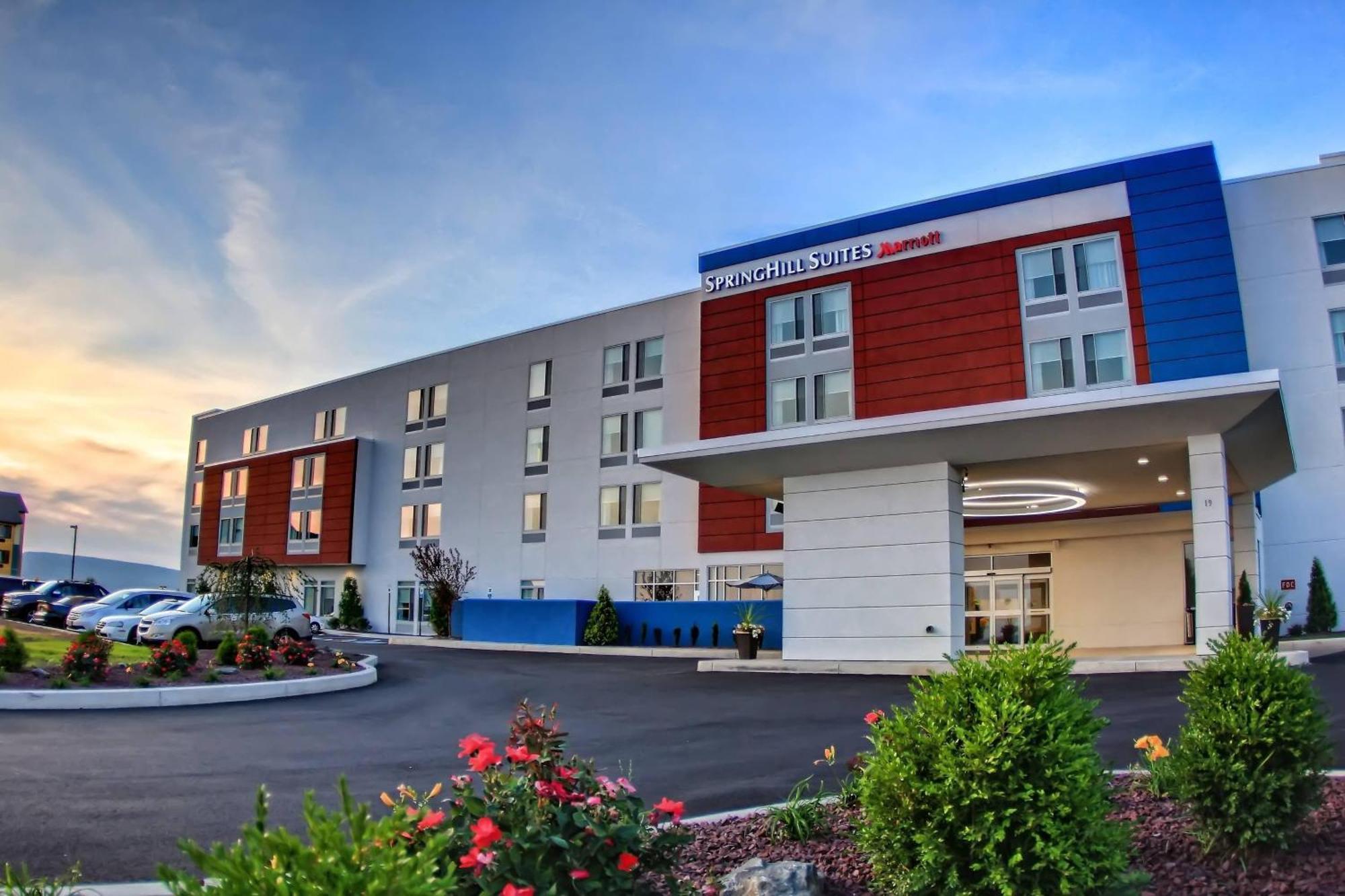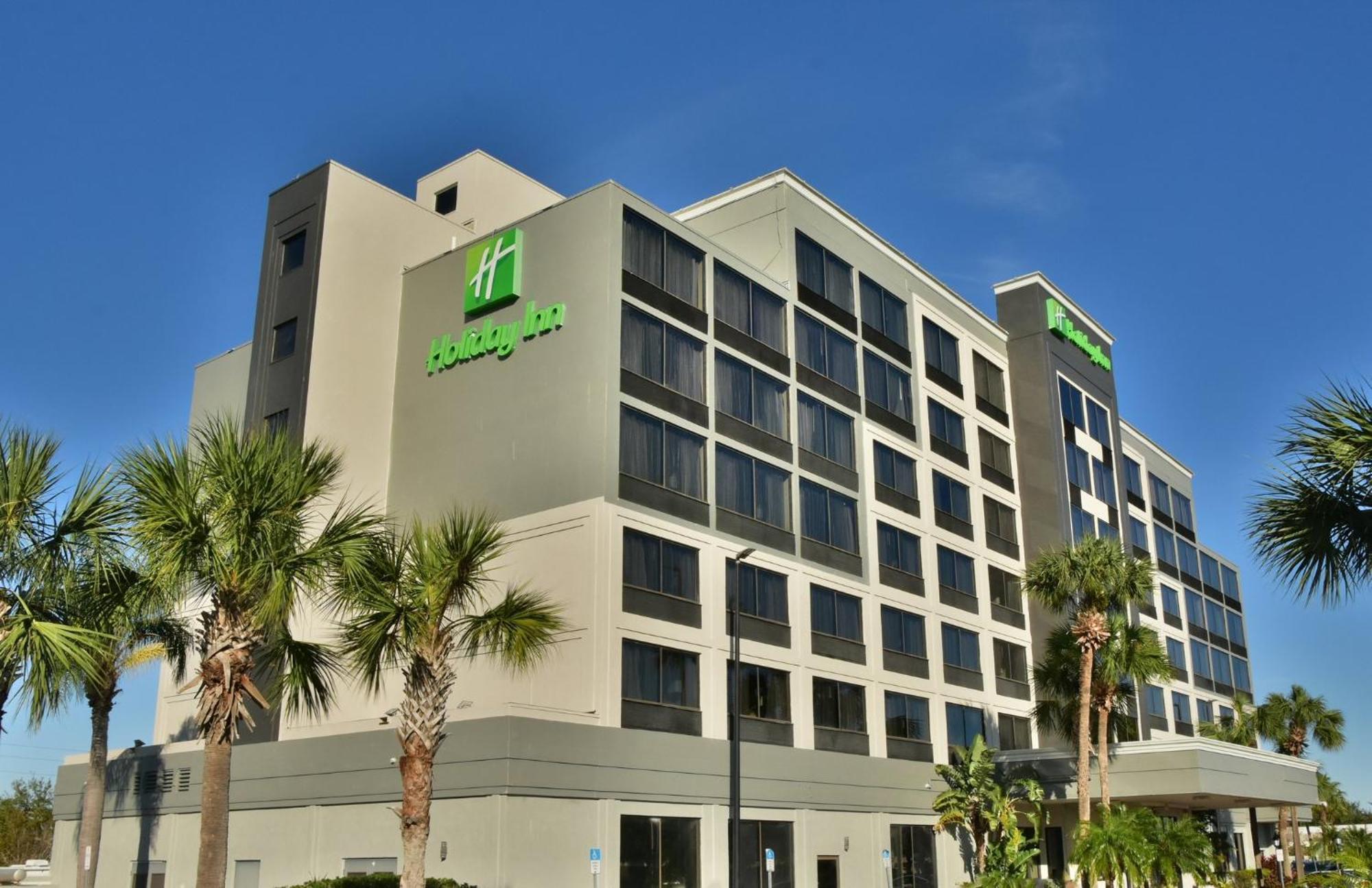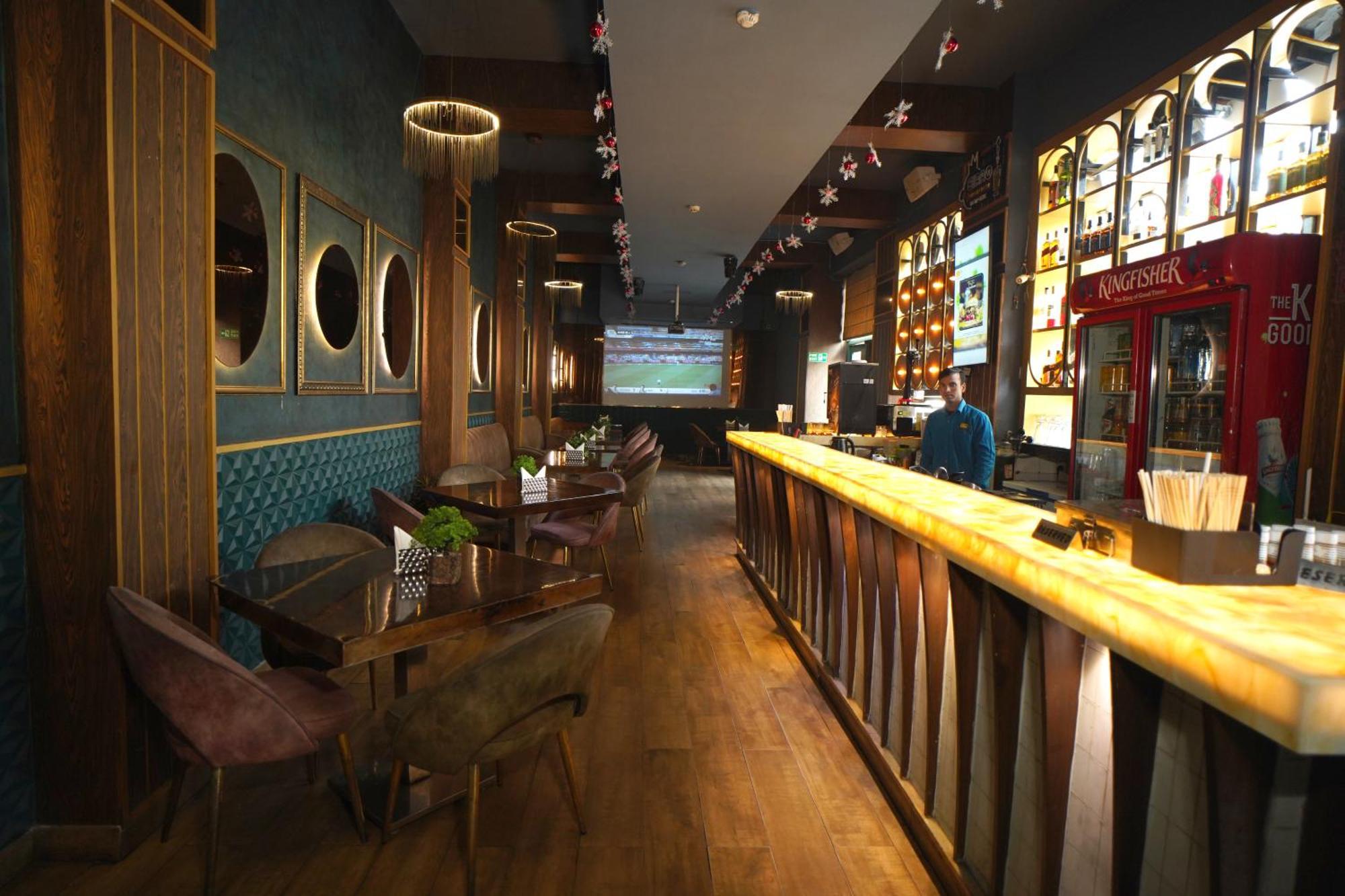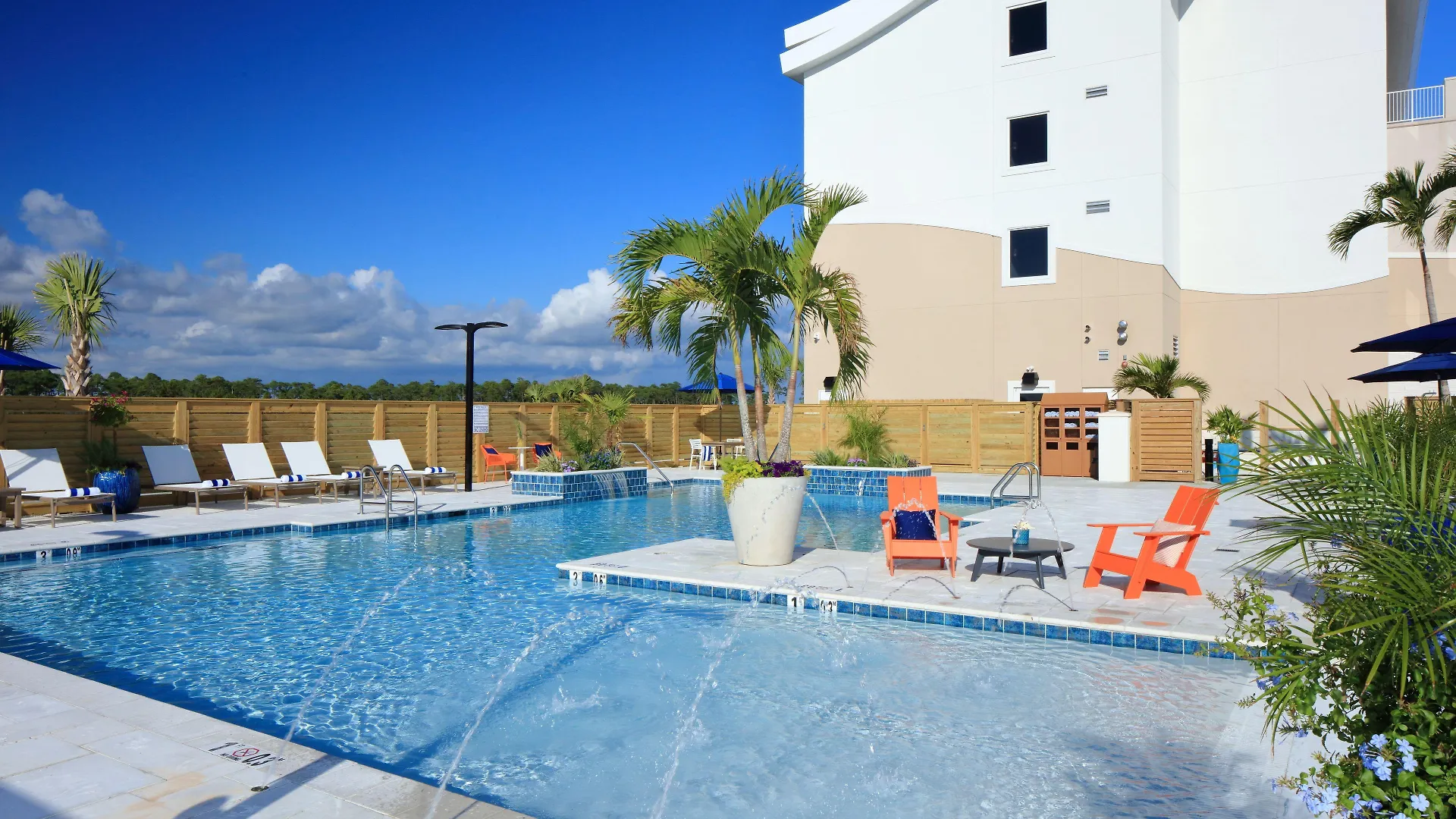
The United States hosts one of the most geographically and architecturally diverse hotel landscapes in the world, from renovated industrial properties in Ohio to Gulf Coast boutique escapes in Alabama. These 15 design-forward hotels span coastal towns, mid-sized cities, and highway-accessible corridors - each with a distinct character shaped by its region. Whether you're road-tripping across the Southeast or locking down a base near a major stadium or university campus, the right hotel can anchor the entire trip.
What It's Like Staying in the United States
The US covers over 9.8 million square kilometers, which means the experience of staying here varies dramatically depending on the region - a hotel in Wyoming's high desert feels nothing like one on Florida's Atlantic coast or inside the Pittsburgh metro. Crowd patterns shift sharply by season, with summer pushing occupancy above 80% in coastal and lake destinations, while interior states like Missouri or Wyoming stay manageable year-round. Travelers who want space, free parking, and lower nightly rates consistently find more value outside major metros like New York or LA.
The US road infrastructure is a genuine asset - most properties in this guide sit within minutes of interstate exits, making multi-city itineraries practical without relying on public transit. First-time international visitors often underestimate driving distances between attractions, which makes strategic hotel placement more important than in compact European countries.
Pros:
- Enormous regional variety - beaches, mountains, forests, and plains all within one trip
- Free parking is standard at most non-urban US hotels, saving around $30-$50 per night compared to city-center properties
- English-only navigation makes logistics straightforward for most international travelers
Cons:
- Public transport between cities is limited - a car is essential for most itineraries covered in this guide
- Tipping culture adds 15-20% to restaurant and service costs that aren't reflected in listed prices
- Coastal and resort areas in summer can feel overcrowded, with booking windows closing around 6 weeks in advance
Why Choose Design Hotels in the United States
Design-forward hotels in the US don't always mean luxury price tags - many of the most distinctive properties sit in the 3-star category, where renovated rooms, brand-consistent aesthetics, and curated amenities set them apart from generic roadside motels. Brands like Hampton Inn, Courtyard by Marriott, Hotel Indigo, and Sleep Inn have invested heavily in room redesigns over the past five years, offering consistent finishes, flat-screen TVs, and work-ready desks at nightly rates that often come in well under $150. The visual difference between a fully renovated design-aware property and an unrenovated budget motel is significant - especially in states like North Carolina and Connecticut where regional competition keeps quality high.
The trade-off is that design hotels in suburban or highway locations prioritize interior quality over walkable surroundings. Rooms tend to be larger than urban counterparts - often 30 to 40 square feet more usable space - but guests trade pedestrian access for that square footage. Properties near university campuses or sports venues can see sudden price spikes during event weekends.
Pros:
- Consistently renovated interiors and branded design standards reduce the risk of dated or poorly maintained rooms
- Free breakfast is included at around half the properties in this guide, cutting daily food costs meaningfully
- Free parking and fitness centers are near-universal in this category across the US
Cons:
- Most design hotels in this guide are in suburban or highway-adjacent zones - walkability scores are typically low
- Event-driven demand (NASCAR races, college football, golf tournaments) can double nightly rates with little warning
- Pool availability varies - some are seasonal outdoor pools, others indoor year-round; worth confirming before booking in winter
Practical Booking & Area Strategy
For travelers targeting the Southeast, the Gulf Coast corridor - particularly Gulf Shores, Alabama - offers the strongest combination of beach access and design-quality accommodation, with Hotel Indigo standing out as the most architecturally distinct option in this guide. In the Mid-Atlantic, Bridgeville, Pennsylvania gives quick access to Pittsburgh's major cultural landmarks (the Andy Warhol Museum is around 17 km away) without the inflated pricing of downtown Pittsburgh hotels. The Charlotte, NC metro area - anchored by Matthews - is one of the most strategically located zones in this guide: 14 miles from downtown Charlotte, NASCAR Hall of Fame, and Bank of America Stadium, with suburban pricing that runs well below the city center.
For travelers moving through the Midwest, Lansing, Michigan and the Stow/Akron, Ohio area both offer freeway-accessible design hotels within 15 minutes of major universities and sports venues. Booking at least 4 weeks ahead is advisable near golf tournament venues like Augusta, Georgia, where Hampton Inn Thomson fills up fast during Masters season. Green River, Wyoming and Grants Pass, Oregon serve road-trip stopovers - functional, uncrowded, and priced accessibly for single-night stays.
Gulf Coast & Southeast Stays
The Southeast US combines coastal access, golf destinations, and mid-sized city infrastructure - making it one of the strongest regions for design-conscious travelers who want memorable surroundings without metropolitan prices.
-
1. Hotel Indigo Orange Beach - Gulf Shores By Ihg
Show on map


 Check-infrom 16:00 until 23:59Check-outuntil 11:00
Hurry – almost gone at this price!
fromUS$ 124
-
2. Hampton Inn Thomson
Show on map


 Check-infrom 15:00 until 23:59Check-outuntil 12:00
Just a few rooms left at the best rate!
fromUS$ 126
-
3. The Riverview Hotel - New Smyrna Beach
Show on map


 Check-infrom 15:00 until 21:00Check-outfrom 04:00 until 11:00
Just a few rooms left at the best rate!
fromUS$ 159
-
4. Quality Inn & Suites Matthews - Charlotte
Show on map


 Check-infrom 15:00 until 23:59Check-outuntil 11:00
Best price guarantee
fromUS$ 71
Mid-Atlantic, Midwest & Northeast Stays
From Pennsylvania's Pittsburgh suburbs to Connecticut's coastal corridor and Ohio's Akron metro, this group covers design-aware properties that serve as practical bases for regional exploration, stadium visits, and university-area stays.
-
5. Hampton Inn Bridgeville
Show on map


 Check-infrom 15:00 until 23:59Check-outfrom 03:00 until 11:00
Rooms filling fast – secure the best rate!
fromUS$ 113
-
6. Courtyard By Marriott Akron Stow
Show on map


 Check-infrom 15:00 until 23:59Check-outuntil 12:00
Best price guarantee
fromUS$ 124
-
7. Sleep Inn & Suites Niantic North
Show on map


 Check-infrom 16:00 until 23:59Check-outuntil 11:00
Just a few rooms left at the best rate!
fromUS$ 140
-
8. Causeway Bay Hotel
Show on map


 Check-infrom 15:00 until 23:30Check-outuntil 11:00
Best price guarantee
fromUS$ 89
-
9. Best Western Executive Inn
Show on map


 Check-infrom 15:00 until 23:59Check-outuntil 11:00
Hurry – almost gone at this price!
fromUS$ 103
South-Central, Mountain West & Pacific Northwest Stays
This group spans Texas, Wyoming, Missouri, Oregon, and Tennessee - covering road-trip stopovers, stadium-adjacent stays, and gateway hotels for national landscapes. Each property serves a specific functional need rather than competing on luxury.
-
10. Ramada By Wyndham South Waco
Show on map


 Check-infrom 14:00 until 23:59Check-outuntil 11:00
Best price guarantee
fromUS$ 127
-
11. Sleep Inn Hickory South
Show on map


 Check-infrom 15:00 until 23:59Check-outuntil 11:00
Rooms filling fast – secure the best rate!
fromUS$ 65
-
12. Travelodge By Wyndham Green River Wy
Show on map


 Check-infrom 16:00 until 23:59Check-outuntil 11:00
Rooms filling fast – secure the best rate!
fromUS$ 53
-
13. Motel 6-Grants Pass, Or
Show on map


 Check-infrom 15:00 until 23:59Check-outuntil 11:00
Hurry – almost gone at this price!
fromUS$ 54
-
14. Motel 6-Saint Joseph, Mo
Show on map


 Check-infrom 15:00 until 23:59Check-outuntil 11:00
Best price guarantee
fromUS$ 69
-
15. Hampton Inn Pulaski, Tn
Show on map


 Check-infrom 15:00 until 23:59Check-outuntil 11:00
Just a few rooms left at the best rate!
fromUS$ 113
Smart Travel & Timing Advice for the United States
The United States doesn't have a single peak season - it has dozens of overlapping ones depending on region. Gulf Coast properties like Hotel Indigo in Gulf Shores fill up from Memorial Day through Labor Day (late May to early September), with weekend rates climbing sharply. Augusta, Georgia spikes every April during Masters Tournament week, when hotels within 60 km of Augusta National sell out weeks in advance - book Hampton Inn Thomson at least 8 weeks ahead if your trip overlaps with tournament dates. Connecticut's Mystic Coast peaks in July and August, while Ohio and Michigan properties near universities surge during fall football season and graduation weekends in May.
For interior and mountain west stops - Green River, Wyoming and Grants Pass, Oregon - pricing stays flat for most of the year, and last-minute bookings are generally viable outside summer weekends. Traveling mid-week consistently saves around 20% compared to Friday-Saturday rates at most properties in this guide, particularly those near stadiums or event venues. Most US hotels allow free cancellation up to 24-48 hours before arrival, so locking in a rate early carries minimal risk for flexible itineraries. A minimum stay of 2 nights at destination-type properties (New Smyrna Beach, Gulf Shores, Niantic) extracts the most value from on-site amenities like pools, spas, and restaurant access.