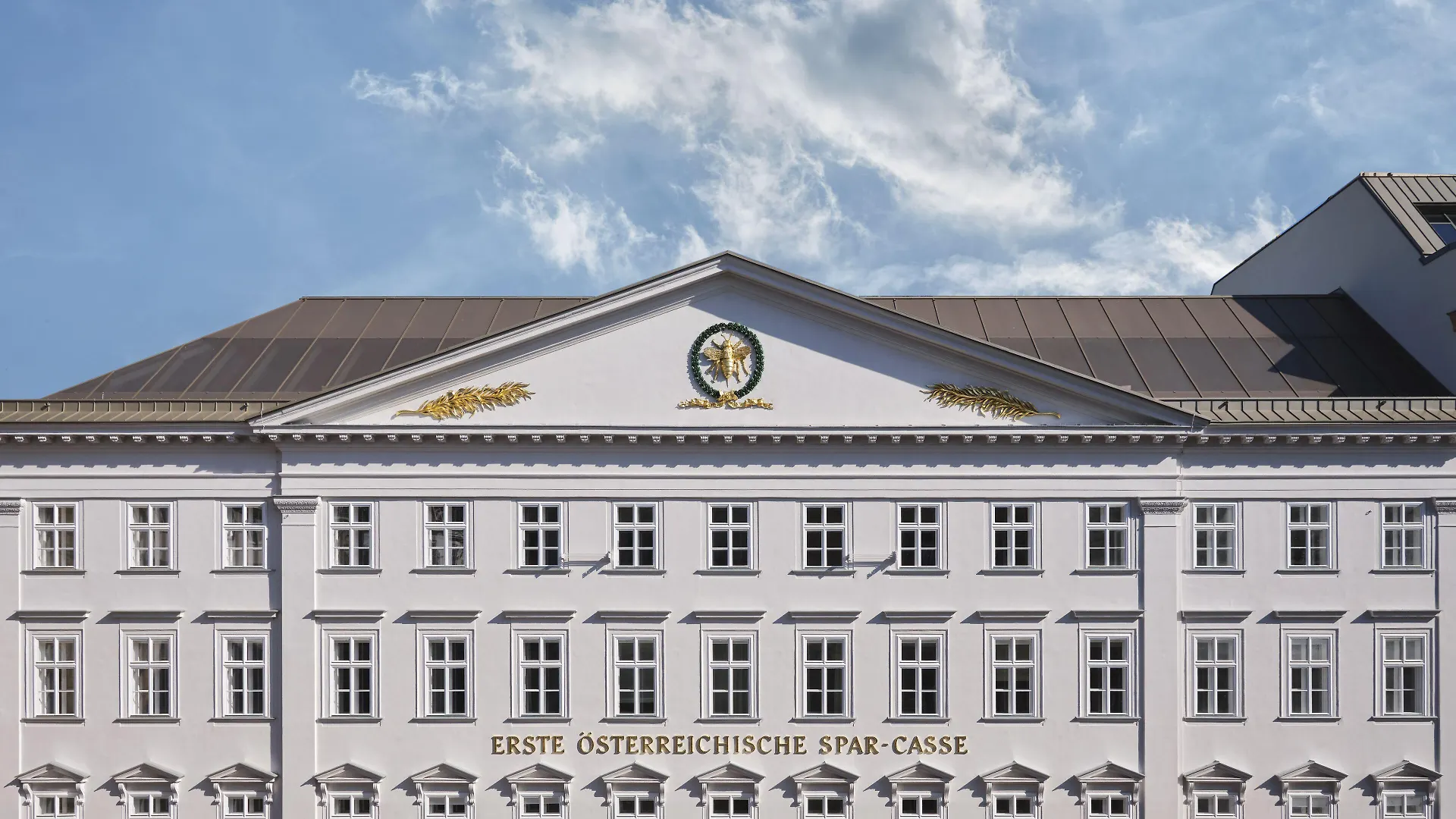
Vienna City Centre - formally the Innere Stadt and surrounding inner districts - concentrates the city's most visited landmarks, flagship shopping streets, and primary transport interchange within a walkable radius. These three hotels span two distinct positioning strategies: deep-centre luxury steps from Petersplatz, and quieter inner-city options just beyond the 1st district boundary. This guide breaks down what each delivers, who benefits, and what the trade-offs actually look like before you book.
What It's Like Staying in Vienna City Centre
Staying in or immediately around Vienna's 1st district (Innere Stadt) puts you within a 10-minute walk of St. Stephen's Cathedral, the Hofburg Imperial Palace, the Vienna State Opera, and the pedestrian shopping axes of Graben and Kohlmarkt. The U1 and U3 metro lines intersect at Stephansplatz, giving you fast city-wide access without relying on walking alone. Tourist foot traffic on Kärntner Strasse and around Stephansplatz is heavy from mid-morning until late evening, which means ambient noise is a real factor for hotels on or near main pedestrian routes. Hotels one or two side streets off these axes - such as those on quieter lanes near Petersplatz or Papagenogasse - offer noticeably different conditions. Room rates in the 1st district run significantly higher than comparable properties in adjacent districts like Mariahilf or Josefstadt, making micro-location and value calculus important when choosing where to base yourself.
Pros:
- * Walking distance to the Hofburg, Kunsthistorisches Museum, Vienna State Opera, and Stephansplatz without needing any transport
- * Direct U1/U3 metro access at Stephansplatz for day trips to Schönbrunn, Prater, or the airport (U3 to Erdberg, then bus)
- * Dense concentration of historic coffeehouses, fine-dining restaurants, and cultural venues within a few blocks
Cons:
- * Street-level noise on and around main pedestrian zones can be significant, especially in summer evenings
- * Premium location pricing means the 1st district and its borders command some of Vienna's highest nightly rates
- * Heavy tourist concentration in the core makes for crowded pavements and queues at major sights, particularly July through August
Why Choose Central Hotels in Vienna City Centre
Central hotels in Vienna City Centre - whether positioned in the 1st district itself or in the immediately adjacent 6th (Mariahilf) or 8th (Josefstadt) districts - share one defining advantage: every major attraction is reachable on foot or within one metro stop. What differentiates this category from hotels in outer districts is not just proximity but the quality of the surrounding streetscape - these properties are embedded in Vienna's architectural and cultural core, where the walk from hotel to destination is itself part of the experience. The trade-off is room size: central Vienna properties, especially in historic buildings, tend toward tighter floor plans compared to newer hotels in residential districts, and soundproofing quality varies considerably between buildings. Properties in quieter side streets, like those near the Naschmarkt or Rathaus, offer a workable middle ground - genuinely walkable to the centre in under 15 minutes while sidestepping the noise and pricing premium of Stephansplatz-adjacent blocks.
Pros:
- * Immediate or near-immediate access to Vienna's primary cultural circuit - opera, museums, imperial sights - without taxi or metro dependency
- * Properties in historic buildings offer architectural character (Neo-Renaissance facades, Art Nouveau interiors) that generic modern hotels lack
- * Breakfast and evening dining options within short walking distance are abundant and genuinely high quality, from market stalls to Michelin-starred venues
Cons:
- * Rooms in Gründerzeit-era buildings can be smaller and have less natural light than purpose-built hotels in outer districts
- * Parking in the 1st district is restricted and expensive; only hotels with private garages or valet services offer a practical car option
- * The premium for a 1st district address versus a 6th or 8th district hotel can reach around 40% more per night for comparable star ratings
Practical Booking & Area Strategy
For the tightest possible access to the historic core, streets like Petersplatz, Bräunerstraße, and the lanes immediately west of Stephansdom put you at the heart of the Innere Stadt - but expect to pay accordingly and verify soundproofing standards before booking. If your priority is a calmer base with easy access, properties near the Naschmarkt on Papagenogasse (6th district) or on Lange Gasse in Josefstadt (8th district) are around a 10-minute walk from the Ringstraße and a single U-Bahn stop from Stephansplatz. The Ringstraße boulevard - linking the State Opera, Kunsthistorisches Museum, Burgtheater, and Parliament - is itself walkable in under 20 minutes end-to-end, making almost any central hotel viable without a transport pass for sightseeing days. Book at least 8 weeks ahead for stays in June, July, August, or December, when central Vienna hotels fill rapidly and nightly rates spike. For the Naschmarkt area specifically, Saturday mornings bring the weekly flea market, which adds street activity and noise from early morning - worth knowing if you're a light sleeper in a ground or first-floor room.
Best Premium Stay
For travelers prioritizing a flagship luxury experience within Vienna's historic core, Rosewood Vienna sets the benchmark in the Innere Stadt.
-
1. Rosewood Vienna
Show on map


Best Value Stays
Both of these properties sit just outside the 1st district boundary but within easy walking reach of Vienna's central sightseeing circuit, offering a measurably lower nightly rate without sacrificing access.
-
2. Hotel Beethoven Wien
Show on map


-
3. Hotel Josefshof Am Rathaus
Show on map


Smart Travel & Timing Advice for Vienna City Centre
April-May and September-October are the optimal windows for central Vienna hotels: mild temperatures, manageable crowds at Stephansplatz and the Hofburg, and nightly rates that are noticeably lower than the summer peak. July and August bring the heaviest tourist volume to the Innere Stadt, with queues at St. Stephen's Cathedral and the Spanish Riding School and hotel availability tightening across all price points. December is a secondary spike, driven by Vienna's Christmas markets on Rathausplatz and the Freyung - if you're targeting a December stay near the Rathaus or MuseumsQuartier, book at least 8 weeks out. January and February are the quietest and cheapest months in the centre, with the trade-off of shorter daylight hours and colder temperatures; coffeehouse culture makes this a workable visit for those prioritising cultural depth over outdoor sightseeing. Three nights is the realistic minimum to cover the core 1st district sights without rushing - the Kunsthistorisches Museum alone warrants a half-day - and four nights allows day trips to Schönbrunn or the Vienna Woods without compressing the city programme. Last-minute deals are rare for 1st district hotels; the value window for central stays almost always rewards advance planning over spontaneity.