Malaysia's luxury hotel market spans dramatically different landscapes - from Desaru's beachfront resorts on the South China Sea to hilltop suites in Ipoh's limestone valley and heritage-adjacent properties in Melaka's colonial quarter. This guide cuts through the options to help you decide where to stay, what to expect at each price point, and which property matches your actual itinerary.
What It's Like Staying in Malaysia
Malaysia is one of Southeast Asia's most structurally diverse destinations - within a single trip, you can move from a glass-tower city hotel in the Klang Valley to a colonial shophouse district in Melaka, a rainforest reserve in Perak, or an uncrowded beach on the Johor coast. The country's road and rail network makes multi-city itineraries genuinely practical, unlike island-heavy destinations where transfers eat days. Crowd patterns vary sharply by region: urban Kuala Lumpur draws year-round business traffic, while coastal resorts like Desaru peak during Malaysian school holidays in June, August, and December.
Pros:
Exceptional cuisine diversity - Malay, Chinese, and Indian food cultures overlap in ways that make even a street corner meal a deliberate culinary experience
Luxury properties outside Kuala Lumpur offer resort-scale space and privacy at significantly lower rates than comparable hotels in Singapore or Bali
Strong infrastructure - highways, airports, and ride-hailing apps (Grab) function reliably across major cities and resort corridors
Cons:
Humidity sits above 80% for most of the year, making outdoor exploration genuinely uncomfortable between 11am and 3pm
Driving is often necessary to reach top resorts - public transport does not serve destinations like Desaru or Sekincan
Monsoon rains hit the east coast between November and March, and the southwest coast from May to September, making timing critical for beach stays
Why Choose 5-Star Hotels in Malaysia
Five-star hotels in Malaysia deliver a notably higher room-to-price ratio than equivalent properties in Hong Kong or Singapore - a beachfront suite in Desaru or a full-service resort suite in Ipoh can cost around 40% less than a comparable room in regional competitor markets. What defines this tier in Malaysia specifically is the combination of resort-scale grounds, full F&B infrastructure, and dedicated leisure facilities like spas, pools, and golf courses, features that urban 5-star hotels in more densely built cities simply cannot offer. The trade-off is that some properties sit outside city centers, meaning guests without rental cars depend on hotel shuttles or taxis for every movement.
Pros:
Malaysian 5-star resorts frequently include pools, spas, multiple restaurants, and fitness centers in the base rate - amenities that cost extra elsewhere
Room sizes in resort-tier properties consistently exceed urban 5-star norms, with kitchenettes and balconies common even in standard categories
Airport transfer services are available at most properties in this tier, reducing the logistical friction of remote resort locations
Cons:
Properties located outside urban centers require advance planning for dining and activities beyond what the hotel provides
Peak school holiday pricing can spike significantly, particularly at beachfront resorts in June and December
Some properties blend resort positioning with residential apartment formats, meaning service levels can vary from full-service hotel standards
Practical Booking & Area Strategy for Malaysia
Kuala Lumpur and its surrounding Klang Valley are the most connected entry points - Sultan Abdul Aziz Shah Airport in Subang serves regional routes, while KLIA in Sepang handles international arrivals. For travelers combining culture and convenience, Melaka sits just 90 minutes south of KL by highway and rewards a 2-3 night stay around its UNESCO-listed heritage core. Ipoh in Perak has emerged as a genuine destination in its own right, with its old town café culture, limestone cave temples, and resort corridors around Meru Valley drawing visitors who would previously have passed straight through. Beach-focused stays work best in Desaru on the Johor coast, which avoids the east-coast monsoon window and stays accessible from Senai International Airport in around 90 minutes. Book coastal properties at least 6 weeks ahead for Malaysian public holidays, when domestic demand fills inventory fast.
5-Star Hotels Near Kuala Lumpur & Selangor
The Klang Valley corridor - spanning Kuala Lumpur, Seri Kembangan, and Sekincan - offers the widest spread of hotel formats, from city-adjacent apartment-style residences to countryside retreats within reach of Selangor's natural landmarks.
-
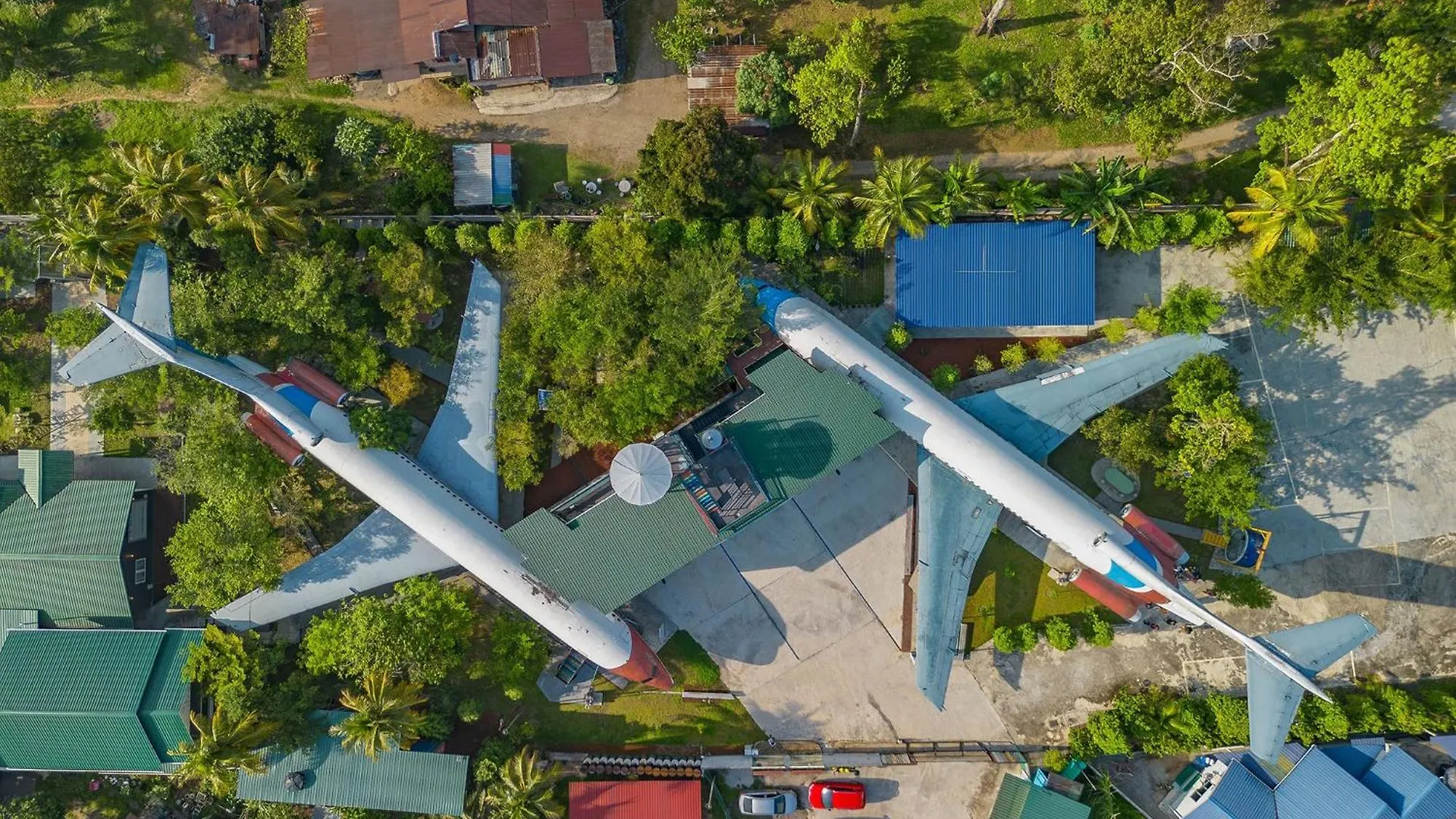
1. Twin Jets Resort
Show on map


 Check-infrom 15:00 until 22:00Check-outfrom 11:00 until 12:00
Just a few rooms left at the best rate!
fromMYR 2095
-
2. Astetica Residences @ Seri Kembangan
Show on map


 Check-infrom 15:00 until 23:00Check-outfrom 01:00 until 11:00
Just a few rooms left at the best rate!
fromMYR 459
-
3. Villa Chee
Show on map


 Check-infrom 15:00 until 22:30Check-outuntil 12:00
Hurry – almost gone at this price!
fromMYR 431
5-Star Resorts in Ipoh, Desaru & Melaka
Outside the capital region, Malaysia's most distinctive luxury stays concentrate in three corridors: the limestone hills of Ipoh, the beachfront at Desaru in Johor, and the heritage city of Melaka - each demanding a different booking strategy and offering a fundamentally different experience.
-
4. Meru Suites At Meru Valley Resort
Show on map


 Check-infrom 15:00 until 20:00Check-outfrom 07:00 until 12:00
Hurry – almost gone at this price!
fromMYR 463
-
5. The Westin Desaru Coast Resort
Show on map


 Check-infrom 16:00 until 23:59Check-outuntil 11:00
Rooms filling fast – secure the best rate!
fromMYR 1285
-
6. Ames Hotel
Show on map


 Check-infrom 15:00 until 23:59Check-outuntil 12:00
Rooms filling fast – secure the best rate!
fromMYR 274
Smart Travel Timing for Malaysia's Luxury Hotels
Malaysia operates on two distinct monsoon cycles that directly affect resort availability and pricing. The southwest monsoon runs from May to September and brings heavier rain to Langkawi and the Straits of Melaka coastline, while the northeast monsoon from November to March hits the east coast harder - making Desaru and Johor's coast the more weather-reliable choice for a beach stay during that window. March, April, and October represent the clearest cross-regional windows, when both coasts see reduced rainfall and temperatures stay consistent. Urban properties in Kuala Lumpur and Ipoh are year-round viable, though the Formula 1 Grand Prix weekend in October and major public holidays like Hari Raya can push urban hotel rates up sharply. For beachfront resorts, book at least 6 weeks ahead for June and December school holiday periods - domestic demand fills coastal inventory faster than international demand does. City-center properties in Melaka and the Klang Valley are more flexible on last-minute rates outside peak windows, giving budget-conscious travelers a viable strategy for those corridors.