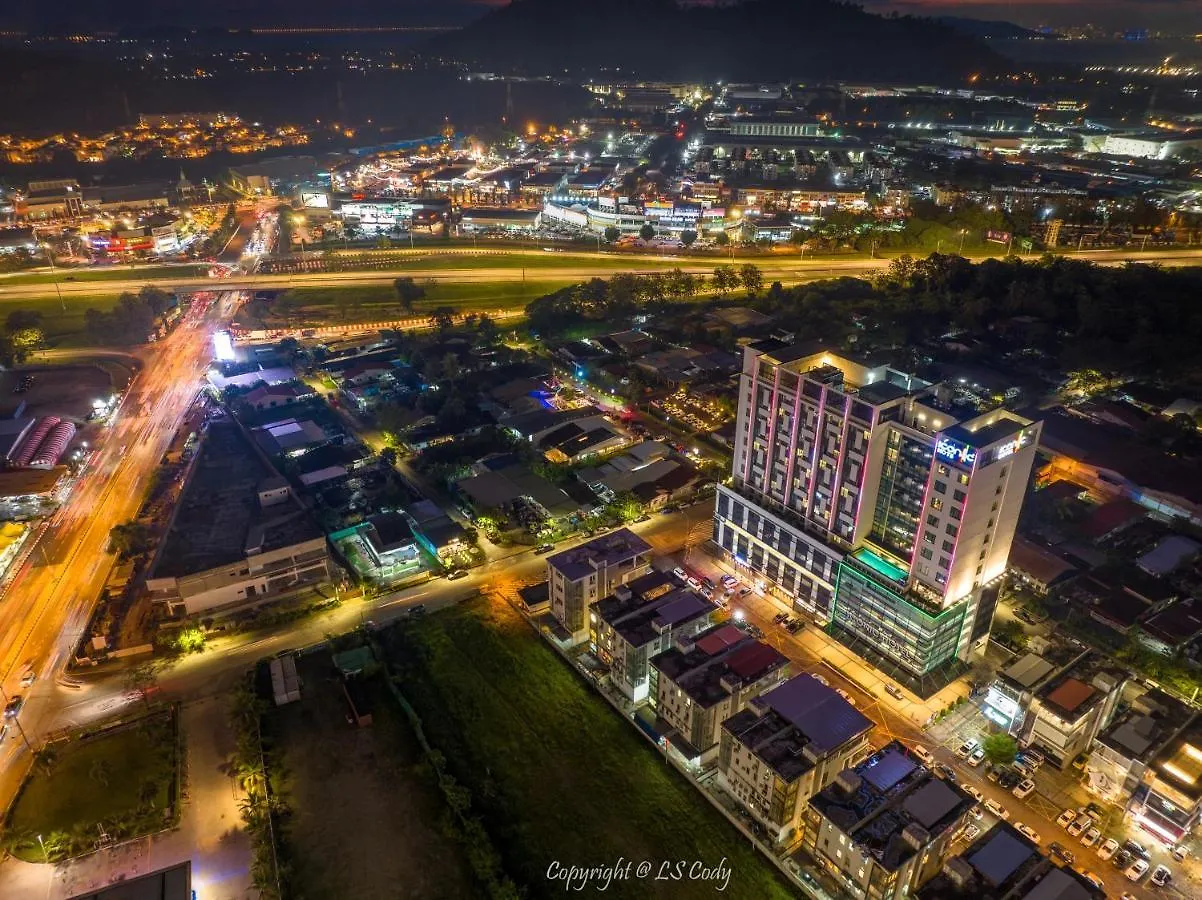
Malaysia is one of Southeast Asia's most connected business destinations, with Kuala Lumpur ranking among the top commercial hubs in the ASEAN region. Whether you're attending corporate meetings in the Klang Valley, visiting industrial zones near Penang, or closing deals in Johor Bahru, the country's business hotel landscape is extensive - and choosing the wrong base can cost you both time and money. This guide breaks down what to expect, where to stay, and which properties deliver real value for work travelers.
What It's Like Staying In Malaysia
Malaysia sits at the crossroads of Southeast Asian commerce, with a well-developed infrastructure spanning high-rise corporate corridors in Kuala Lumpur, free trade zones in Penang, and rapidly expanding industrial estates in Johor and Perak. The country draws a consistent flow of regional executives, international delegates, and MICE (Meetings, Incentives, Conferences, and Exhibitions) travelers year-round. Kuala Lumpur International Airport (KLIA) is one of the busiest aviation hubs in Asia, connecting Malaysia directly to over 100 international destinations - a key logistical advantage for frequent business travelers. Urban traffic congestion, particularly on the KL-Selangor corridor, is a real daily factor that affects meeting schedules, making proximity to business districts a critical booking variable. Hotels near KLIA or with efficient shuttle access can cut around 40% of ground transfer delays compared to city-center properties located in peak-hour traffic zones.
Pros:
- Excellent air connectivity through KLIA and Penang International Airport, with direct routes to Singapore, Hong Kong, Tokyo, and Dubai
- Diverse business corridors from Kuala Lumpur's KLCC financial district to Penang's Bayan Lepas free industrial zone
- English is widely used in business environments, reducing communication friction for international travelers
Cons:
- Heavy road congestion between KLIA and KL city center during peak hours can disrupt tight meeting schedules
- Humidity and heat make walkability between hotel and business venues limited without covered transport links
- Accommodation pricing spikes sharply during major trade events like Malaysia International Trade and Exhibition Centre (MITEC) conferences
Why Choose Business Hotels In Malaysia
Business hotels in Malaysia span a wide spectrum - from lean, functional transit stays near airports to full-service resort-style properties that host multi-day corporate retreats and team offsites. The key differentiator in Malaysia compared to other Southeast Asian markets is that many resorts outside city centers have invested heavily in conference facilities, creating a secondary tier of business-ready accommodation beyond the traditional urban hotel towers. Rates at business-oriented properties outside KL city center can run around 30% lower than equivalent-quality hotels inside the KLCC or Bukit Bintang zone, while still offering stable WiFi, meeting rooms, and airport shuttle access. Room sizes in Malaysian business hotels tend to be more generous than equivalent-grade properties in Singapore, often including work desks, safes, and proper blackout curtains - essentials for cross-timezone work schedules. The trade-off is that properties in secondary cities like Ipoh or Ayer Keroh require more planning around ground transport, as ride-hailing availability drops significantly outside city limits at night.
Pros:
- Business hotels in secondary cities like Ipoh and Malacca offer larger rooms and dedicated parking at significantly lower rates than KL equivalents
- Many resort-format business properties include on-site dining, spa, and recreational facilities - useful for multi-night corporate stays
- Free WiFi and private parking are standard across most Malaysian business hotels, reducing daily operational costs for road-based professionals
Cons:
- Properties outside Kuala Lumpur can have limited late-night dining and transport options, which affects productivity for travelers with late arrivals
- Business facilities at resort-style hotels may require advance booking and are not always included in the room rate
- Room service and 24-hour front desk availability varies significantly between urban and suburban business properties
Practical Booking & Area Strategy
Kuala Lumpur and its surrounding Selangor corridor remain the default choice for business travelers entering Malaysia, but the most strategic stays are often outside the capital. Penang's Bayan Lepas area clusters tech and manufacturing executives close to both the free industrial zone and Penang International Airport - just 5 km away - cutting transfer times dramatically. Johor Bahru, particularly the Desaru Coast corridor, has emerged as a serious secondary business destination, especially for Singapore-based companies holding offsites across the causeway. Ipoh in Perak is increasingly on the radar for agribusiness and mining sector meetings, with a smaller hotel market but genuinely competitive pricing. For travelers attending events at MITEC or the Kuala Lumpur Convention Centre, booking at least 6 weeks in advance during Q1 and Q4 - Malaysia's peak conference seasons - is essential to secure business-grade rooms at non-inflated rates. Malacca is underrated as a base for regional meetings, sitting midway between KL and Johor on the North-South Expressway, making it a practical overnight stop for executives on multi-city itineraries. Free private parking at suburban Malaysian business hotels eliminates a daily cost that adds up quickly for car-based business travel across the peninsula.
Business Hotels Near KLIA & Selangor Coast
These properties serve the KLIA corridor and Selangor coastline, where resort infrastructure meets business travel convenience - particularly for corporate retreats, team events, and executive stays requiring both meeting facilities and downtime options.
-
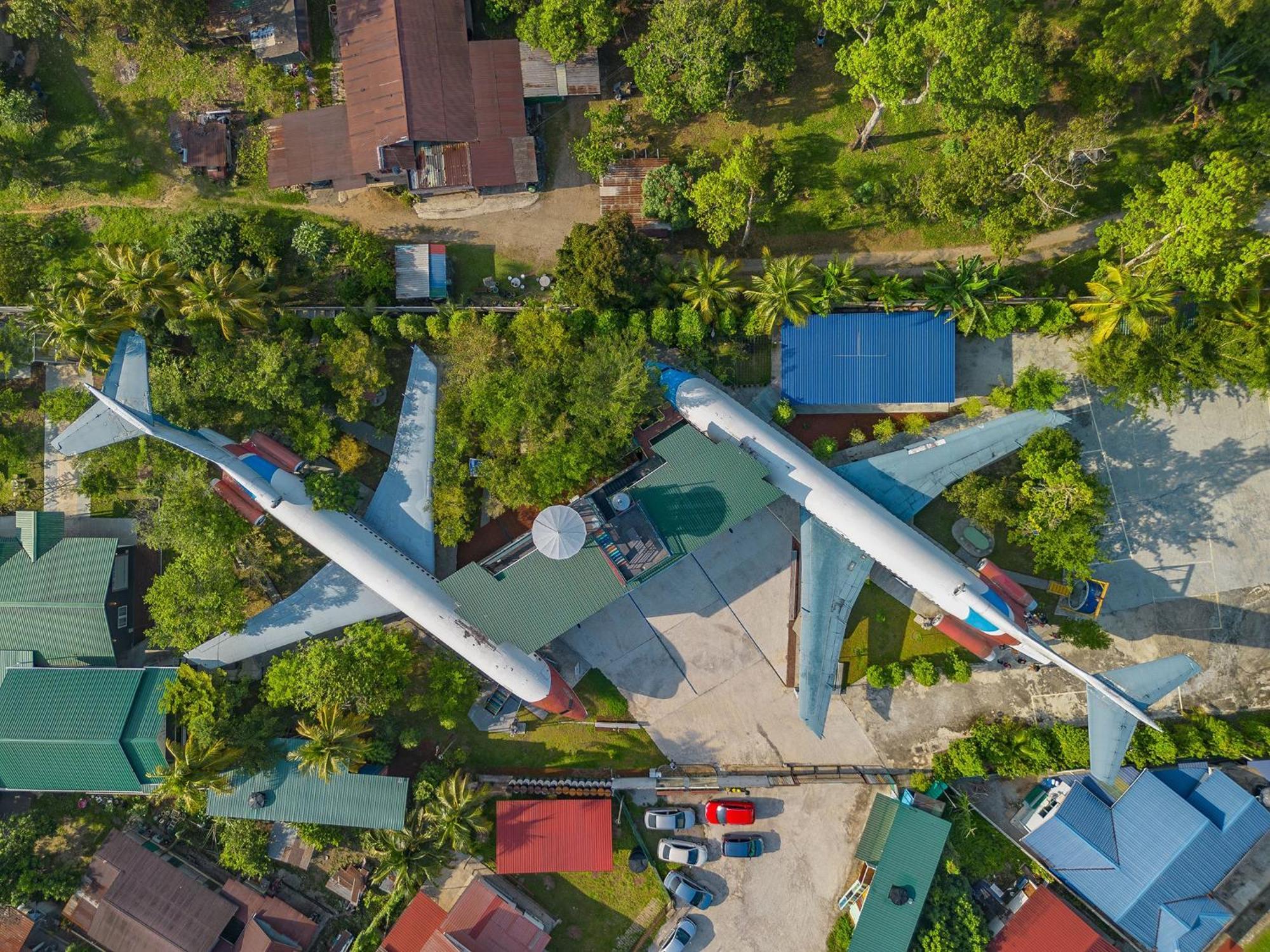
1. Golden Palm Tree Sepang
Show on map


 Check-infrom 15:00 until 23:59Check-outuntil 12:00
Just a few rooms left at the best rate!
fromMYR 439
Business Hotels in Penang, Johor & Perak
These properties cover Malaysia's three most active secondary business corridors - Penang's industrial and tech belt, Johor's Desaru Coast corporate resort scene, and Ipoh's emerging meeting market in Perak - each catering to distinct traveler profiles and corporate use cases.
-
2. Iconic Hotel
Show on map


 Check-infrom 14:00 until 23:59Check-outfrom 11:00 until 12:00
Just a few rooms left at the best rate!
fromMYR 274
-
3. Lexis Suites Penang
Show on map


 Check-infrom 15:00 until 23:59Check-outuntil 11:00
Just a few rooms left at the best rate!
fromMYR 342
-
4. The Westin Desaru Coast Resort
Show on map


 Check-infrom 16:00 until 23:59Check-outuntil 11:00
Hurry – almost gone at this price!
fromMYR 1285
-
5. Meru Suites At Meru Valley Resort
Show on map


 Check-infrom 15:00 until 20:00Check-outfrom 07:00 until 12:00
Hurry – almost gone at this price!
fromMYR 463
Business Hotels in Malacca & Johor Transit Corridor
Malacca and the Johor transit corridor serve business travelers moving along the North-South Expressway between Kuala Lumpur and Johor Bahru - a route heavily used by executives, logistics professionals, and government sector workers requiring reliable, cost-efficient overnight stops.
-
6. Amverton Heritage Resort
Show on map


 Check-infrom 15:00 until 23:59Check-outfrom 11:00 until 12:00
Rooms filling fast – secure the best rate!
fromMYR 165
-
7. Creator Hotel
Show on map


 Check-infrom 14:00 until 23:59Check-outuntil 12:00
Rooms filling fast – secure the best rate!
fromMYR 105
Smart Timing & Booking Strategy for Business Travel in Malaysia
Malaysia's business travel calendar follows two distinct peak cycles that directly affect hotel availability and pricing. The first runs from January through March, when Q1 trade fairs, government procurement events, and regional ASEAN corporate summits cluster around Kuala Lumpur. The second peak hits October through November, driven by year-end corporate conferences and the lead-up to major retail and logistics sector events. Booking at least 6 weeks ahead during these windows - especially for properties near KLIA or in Penang's Bayan Lepas zone - is necessary to secure standard business rates, as inventory shrinks fast for properties with meeting facilities. Outside these cycles, June and July represent a relative low season for business travel, with rates dropping by around 20% at resort-format business hotels in Desaru and Sepang, which rely heavily on MICE group bookings. For short-stay transit travelers - one or two nights near the airport or along the expressway - last-minute booking carries less risk, as supply in Kulai, Ayer Keroh, and Ipoh remains less constrained than in KL or Penang. A minimum of two nights is the practical baseline for any business trip requiring meetings, site visits, and recovery time, while resort-format corporate retreats in Desaru or Sepang work best at three nights or more to justify transfer distances and extract full value from on-site facilities.