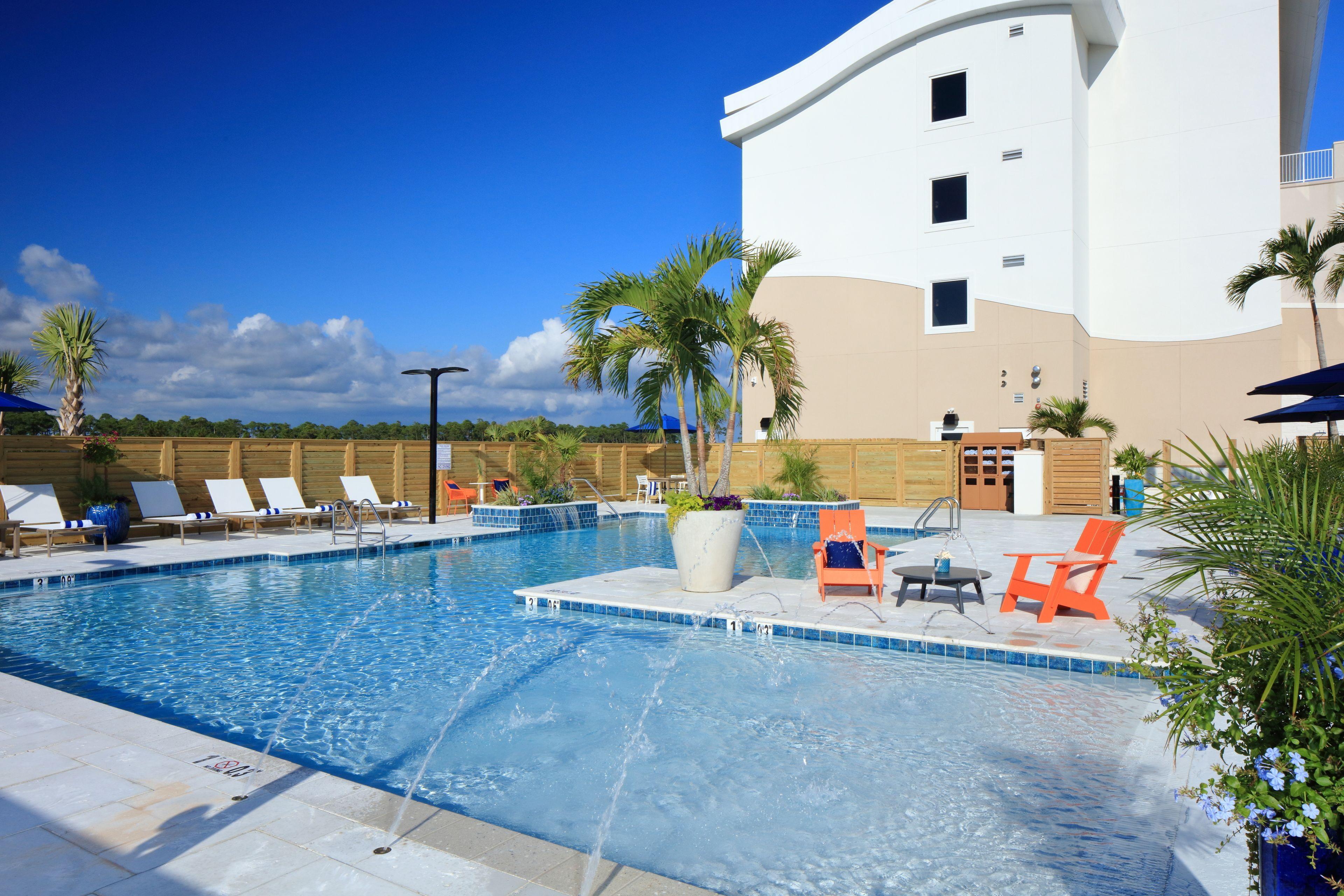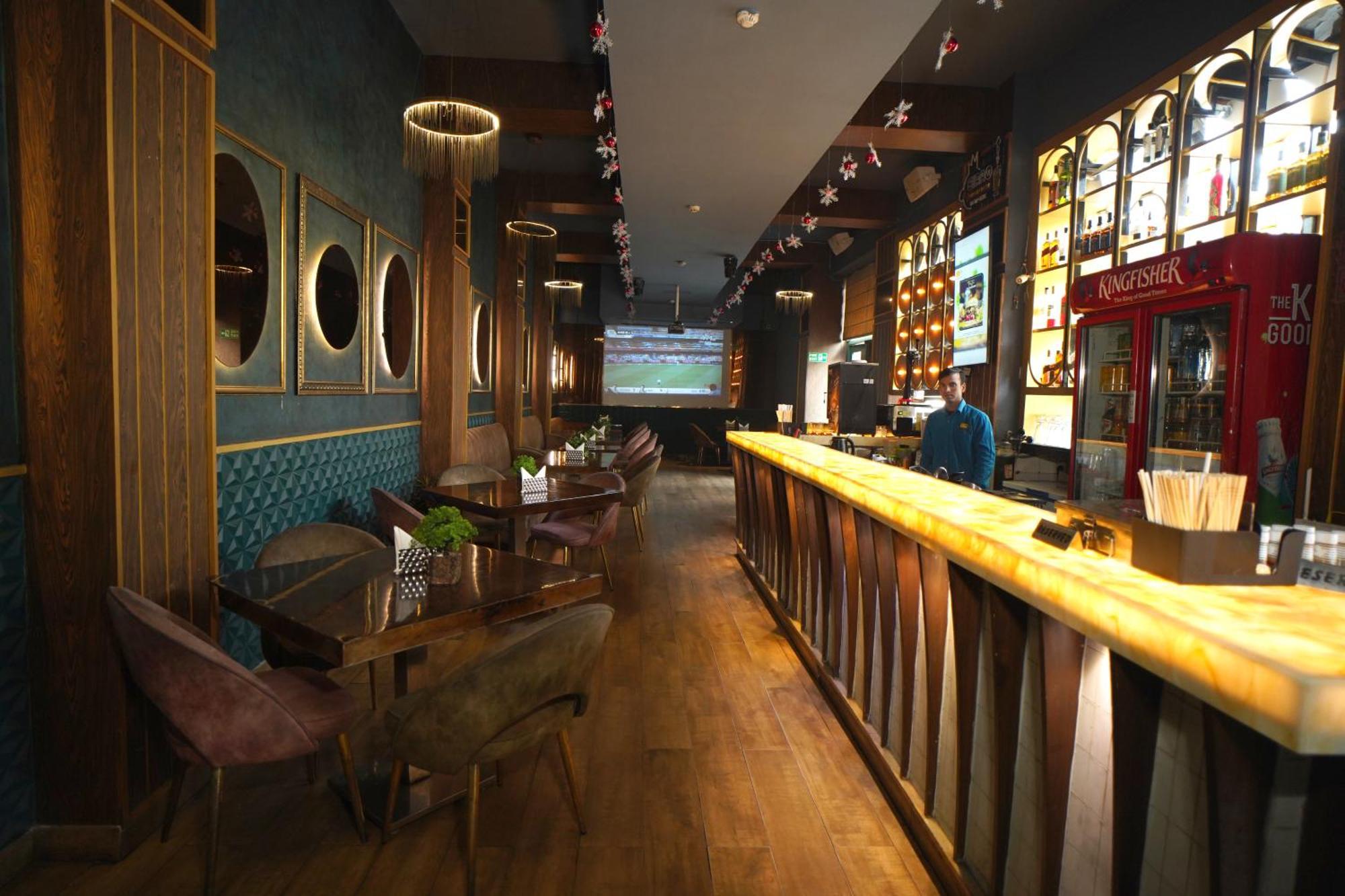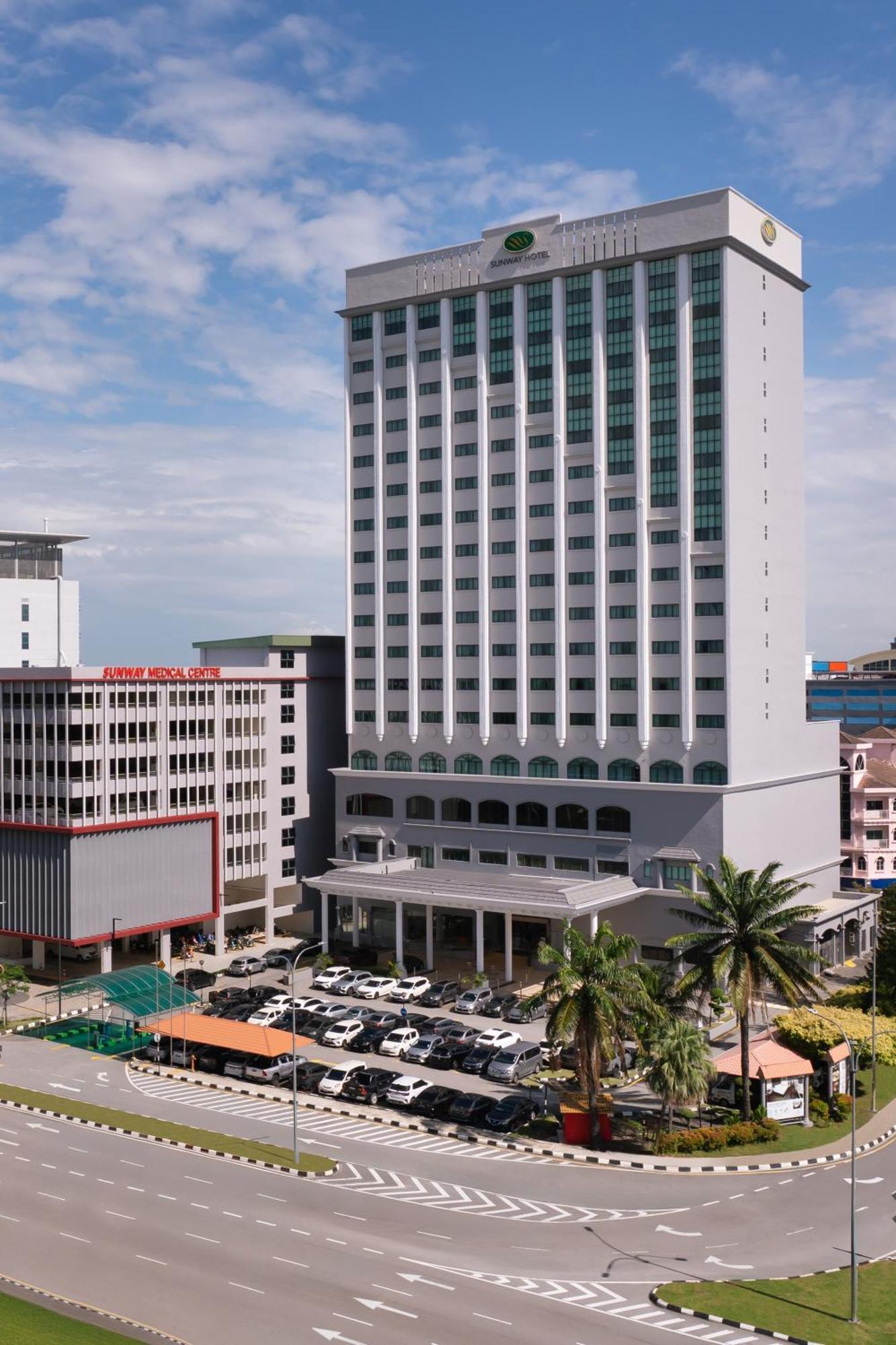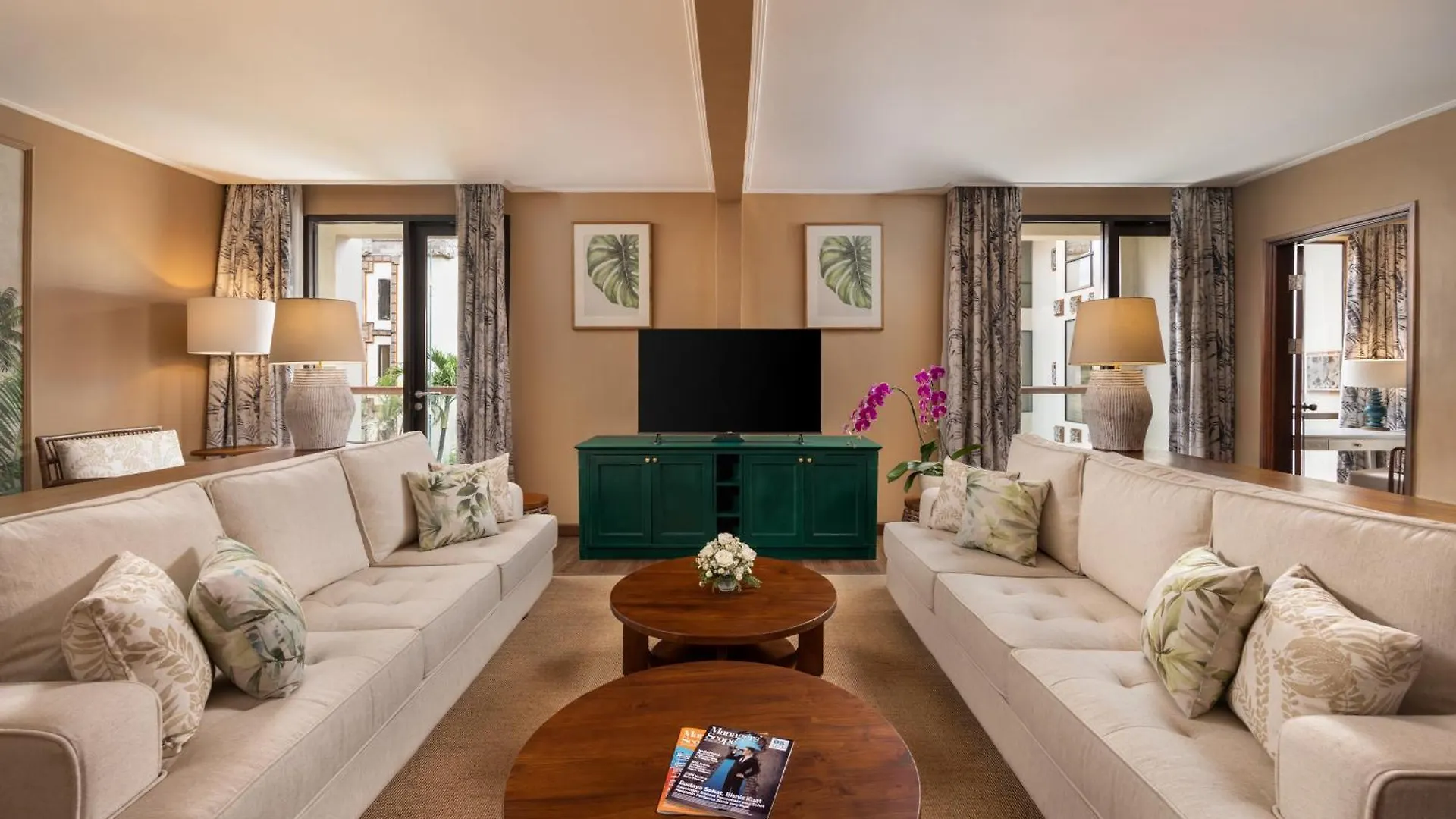
Sanur Beach sits on Bali's southeast coast as one of the island's most architecturally coherent destinations - low-rise buildings, preserved beachfront promenades, and Balinese design codes enforced by local regulation. Unlike Seminyak or Kuta, where hotel aesthetics compete loudly for attention, Sanur's design hotels tend to embed themselves into the landscape: traditional stonework, open-air pavilions, tropical garden corridors, and rooms oriented toward the Indian Ocean sunrise. This guide covers four standout properties - from a beachfront resort on 6 hectares of garden to a village-concept hotel with its own cultural program - and gives you the logistical and design intelligence needed to choose the right one.
What It's Like Staying in Sanur Beach
Sanur Beach operates at a slower pace than most of Bali's coastal districts - the main beach promenade stretches around 5 kilometers and is walkable at any hour, well-lit at night and free of the motorbike traffic that dominates Kuta's streets. Most design hotels here are positioned within 500 meters of the beach, meaning mornings start with a short walk to catch the sunrise rather than a taxi ride. The area's building height restrictions keep the skyline low, which preserves sightlines and reduces the crowded-resort feeling common in Seminyak.
Transport out of Sanur requires planning - Ngurah Rai Airport is around 25 minutes by car, and Ubud is roughly 35 minutes. The Gili Island fast boat terminal at Sanur Harbour connects you to the Gili Islands and Lombok in under two hours, making Sanur a practical base for island-hopping trips without backtracking through Denpasar.
Pros:
- Beachfront promenade walkable at night with low crime and no aggressive vendor pressure
- Direct fast boat access to Gili Islands and Lombok from Sanur Harbour
- Balinese design regulations preserve an architecturally consistent, low-rise environment
Cons:
- Nightlife and late-night dining options are limited compared to Seminyak or Canggu
- Surf conditions at Sanur are flat - the reef break is distant and not accessible for beginners
- Getting to Ubud or Uluwatu requires hired transport; no reliable public transit exists
Why Choose Design Hotels in Sanur Beach
Design hotels in Sanur Beach are not just aesthetically curated spaces - they are structurally tied to the Balinese vernacular architecture that the district actively protects. Expect open-air lobbies with carved stonework, rooms designed around natural ventilation, and pools built into garden landscapes rather than bolted onto a concrete rooftop. Room sizes at Sanur's design properties average around 40 square meters, significantly larger than equivalent-category rooms in Seminyak or Nusa Dua, partly because land costs remain lower and partly because the resort-style format dominates here.
Price positioning is notably competitive: design-forward beachfront properties in Sanur run at rates around 30% lower than comparable beachfront hotels in Nusa Dua. The trade-off is that Sanur's design scene leans traditional-Balinese rather than contemporary-minimalist - travelers expecting glass-and-steel aesthetics will find fewer options. The strongest differentiator is the combination of genuine beachfront access with authentic cultural programming - cooking classes, Balinese dance evenings, and cycling tours that most Seminyak design hotels do not offer.
Pros:
- Larger average room sizes than equivalent-tier hotels in Seminyak or Nusa Dua
- Beachfront rates that are substantially more affordable than Nusa Dua's design resort corridor
- Authentic Balinese architectural design maintained by district-level building codes
Cons:
- Design aesthetic leans heavily traditional Balinese - contemporary minimalist options are scarce
- Sanur's beach is calm but lacks the dramatic surf scenery of Uluwatu or Balangan
- Fewer walkable restaurant and bar options outside the hotel compared to Seminyak's design strip
Practical Booking & Area Strategy for Sanur Beach
The strongest hotel positioning in Sanur runs along Jalan Danau Tamblingan and the beachside lane connecting it to the promenade - properties on or within one block of this corridor give you direct walking access to the beach without crossing Sanur's main traffic road. Jalan Danau Tamblingan is Sanur's primary design hotel spine, lined with boutique shops, warungs, and local galleries that make the walk functional, not just scenic. Hotels positioned further inland toward Jalan Bypass Ngurah Rai save money but add a 10-minute walk that becomes inconvenient in Bali's midday heat.
Sanur's peak season runs from July through August and again over the Christmas-New Year window, when beachfront rooms book out weeks in advance. The Bali Spirit Festival in Ubud (typically March-April) also pushes demand into Sanur as overflow accommodation. Book beachfront design hotels at least 6 weeks ahead for July stays. For activities, the Sanur Village Festival (held annually in August) transforms the beachfront with Balinese art and cultural performances - timing a stay around this event adds considerable experiential value. The Sindhu Market on Jalan Danau Tamblingan runs every morning and is among Bali's best spots for fresh local produce and traditional snacks within walking distance of most design hotels in the area.
Best Value Design Stays
These properties deliver strong Balinese design credentials, substantial garden or pool settings, and reliable beach access at rates that stay competitive even during peak season.
-
1. Prime Plaza Hotel Sanur - Bali
Show on map


 Check-infrom 15:00 until 23:59Check-outuntil 11:00
Just a few rooms left at the best rate!
fromIDR 789474
-
2. Segara Village Hotel
Show on map


 Check-infrom 14:00 until 23:59Check-outuntil 12:00
Just a few rooms left at the best rate!
fromIDR 1789474
Best Premium Design Stays
These beachfront resorts offer the most expansive grounds, the highest spa and dining complexity, and the most direct beach integration in the Sanur selection.
-
3. Prama Sanur Beach Bali
Show on map


 Check-infrom 15:00 until 23:59Check-outuntil 12:00
Hurry – almost gone at this price!
fromIDR 1456140
-
4. Griya Santrian A Beach Resort And Spa
Show on map


 Check-infrom 14:00 until 23:59Check-outuntil 12:00
Rooms filling fast – secure the best rate!
fromIDR 2438596
Smart Travel & Timing Advice for Sanur Beach
Sanur's dry season runs from May to September, with July and August representing the absolute peak - occupancy at beachfront design hotels hits its highest point, and rates during peak weeks can rise by around 40% versus the shoulder season. April, May, and October offer the best value: the weather remains dry or lightly wet, crowds are thinner, and last-minute availability at premium properties becomes realistic. The wet season (November through March) brings afternoon showers but rarely disrupts beach mornings - rates drop noticeably, and Sanur's protected reef means the water stays calmer than Bali's west-facing beaches even during heavy rain periods.
Most travelers find that 4 nights in Sanur is the practical minimum for a design hotel stay - enough to explore the promenade properly, take a day trip to Ubud or Nusa Penida, and use the hotel's spa and pool without rushing. Book design-forward beachfront properties at least 5 weeks ahead for any July or August dates - particularly Prama Sanur Beach Bali and Griya Santrian, which fill their beachfront rooms first. For the Christmas-New Year period, 8 weeks advance booking is a realistic minimum for first-choice room categories.